
Review · PORTUGAL
Vila Nova de Gaia: Port Wine Tasting with Cheese Pairing
Port and cheese make a fine introduction to northern Portugal, but this tasting offers more than three quick sips. At Quevedo’s cozy lodge in Vila Nova de Gaia, you taste three distinct styles of Port, each matched with a different Portuguese cheese. The pairings give you a useful lesson in how sweetness, salt, age, and texture change what you taste in the glass.
I like the small groups of up to eight and the relaxed setting close to the river. I also like the teaching. Guides including Miguel, Inês, Fernando, Bruna, and Marcia explain the wine in plain language and take questions seriously. The main drawback is simple: this is a tasting, not a cellar or winery tour, and the one-hour format leaves little time for lingering.
Key points at a glance
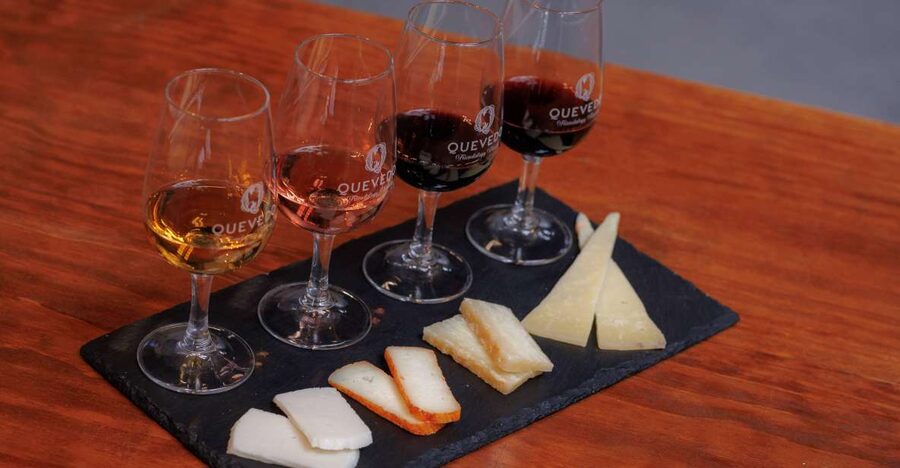
- Three Port styles in one hour: Taste Crusted Port, 10-Year-Old Tawny, and a 2009 White Colheita.
- A cheese match for every glass: Pairings include sheep, cow, goat, and Azores cheeses, plus local jam.
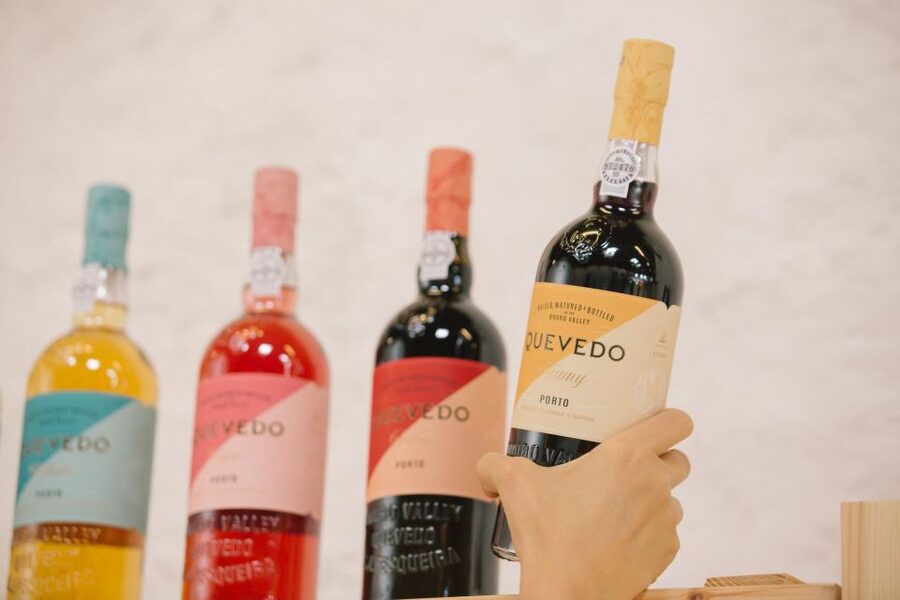
- A family-owned producer: Quevedo has five generations of Port-making experience and farms vineyards in the Douro Valley.
- A genuinely small group: The session is limited to eight people, so questions are practical and easy to ask.
- A central Gaia stop: The meeting point is Quevedo Port Wine, close to the riverfront activity of Vila Nova de Gaia.
- Good value at $30: You get three 40ml pours, three cheese pairings, and a guided introduction without committing to a longer tour.
Starting at Quevedo in Vila Nova de Gaia
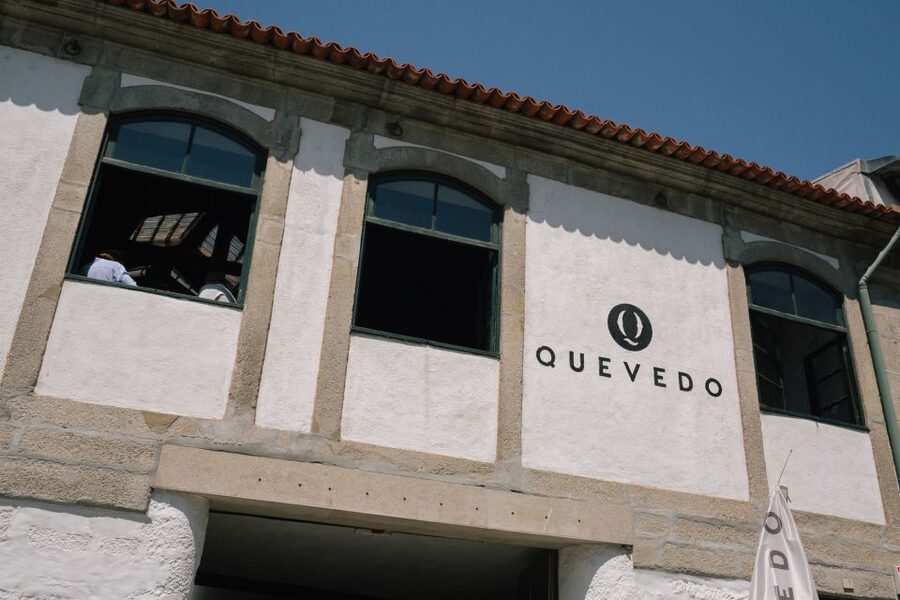
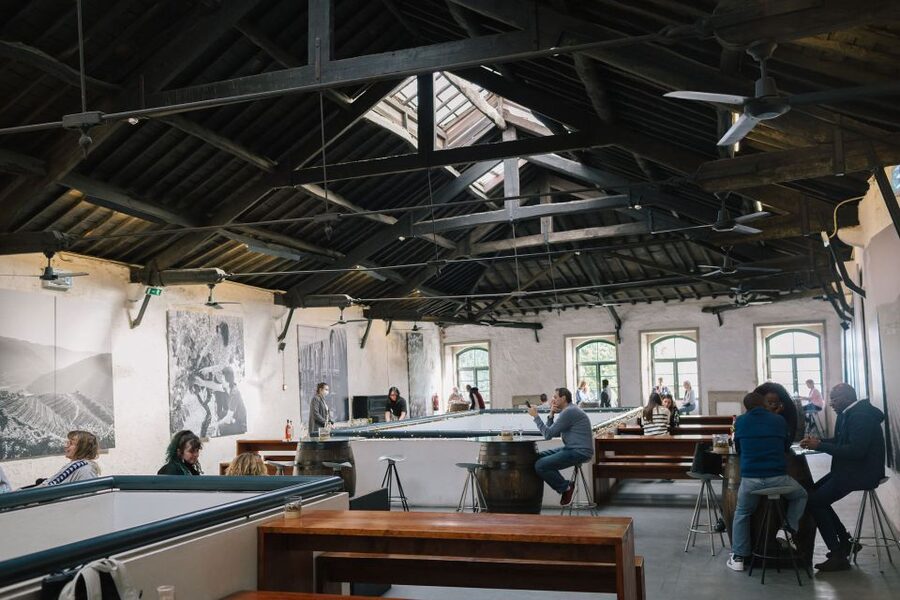
You meet at Quevedo Port Wine and speak with a local staff member before the tasting begins. The venue is described as a cozy lodge, and the setting is open, airy, and peaceful rather than grand or formal. That matters because Port tasting can feel stiff when it is presented like a lecture. Here, the tone is informal enough for questions and conversation.
The location works well in a Porto sightseeing plan. Vila Nova de Gaia is across the Douro from Porto’s historic center, with many Port houses gathered near the river. You can fit this one-hour session before or after a walk along the waterfront, a meal, or another cellar visit.
The group limit of eight is one of the strongest practical features. You are not seated in a large crowd waiting for a guide to repeat the same speech. A small group also gives you more room to ask why one Port tastes sweeter, how aging changes it, or why a particular cheese was selected.
The hosts speak Portuguese, English, Spanish, and Russian. Several guides are praised for making technical ideas easy to follow. Miguel is noted for his explanations of Port and viticulture, while Fernando is particularly good at connecting the wine to the Douro Valley and its production methods. Inês, Bruna, Marcia, Rafael, Francisco, and Dima are also named as friendly and capable hosts.
More Wine Tastings in Portugal
- From Porto: Douro Valley w/ Boat Tour, Wine Tasting & Lunch
★ 4.7 · 19,061 reviews - Complete Douro Valley Wine Tour with Lunch, Wine Tastings and River Cruise
★ 5.0 · 12,920 reviews - Porto: Cálem Cellar Tour, Interactive Museum & Wine Tasting
★ 4.5 · 4,113 reviews
The first glass: Crusted Port with aged sheep cheese
The tasting begins with Crusted Port paired with local-aged sheep cheese. Crusted Port is a style that gives you a useful introduction to Port’s darker, more structured side. The cheese brings a salty, savory counterpoint, giving you a chance to notice how food can soften or sharpen the wine.
This is not simply a plate of snacks placed beside the glass. The guide explains the reason for the match and encourages you to taste the Port on its own, then with the cheese. That small comparison is the heart of the session. You begin to notice that a wine can change depending on what you eat with it.
The cheese is aged, but the tasting is not built around extreme flavors. One of the useful details for cautious eaters is that the selections are not presented as overpoweringly strong. If you enjoy cheese but usually avoid very assertive varieties, this pairing should feel approachable.
You receive 40ml unless otherwise stated. That is enough to assess the wine and pairing without turning a one-hour lesson into a heavy drinking session. If you want more Port, additional wines and snacks are not included, so ask the staff what is available separately.
The second glass: 10-Year-Old Tawny and paprika cheese
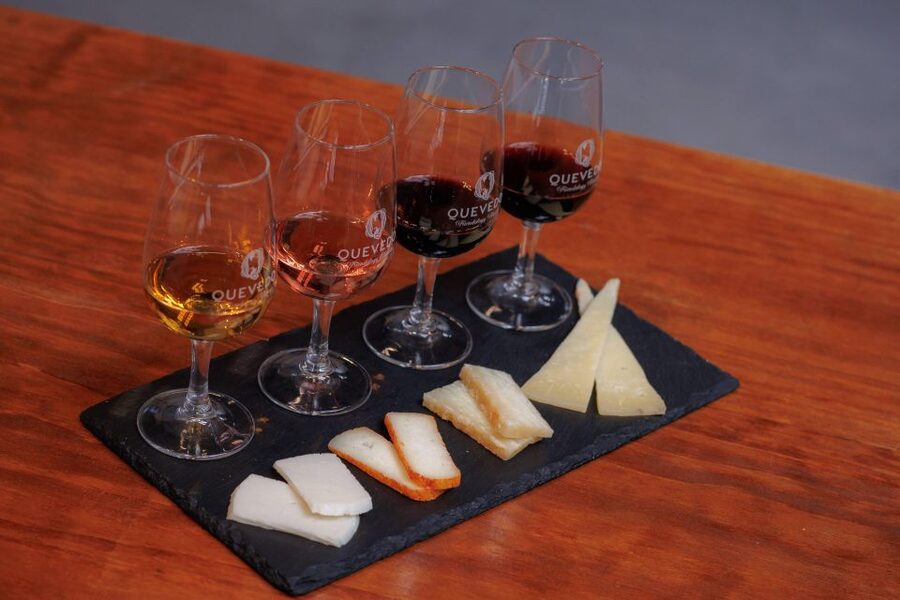
The second pour is a 10-Year-Old Tawny matched with a mixed cow, goat, and sheep cheese aged with paprika. This is likely to be the most familiar style for many first-time tasters because Tawny Port is often softer and more shaped by time in wood than by youthful fruit.
The cheese brings several milk types into the comparison, while the paprika adds a gentle savory note. It is a smart middle course because it lets you consider how a more rounded, aged Port works with a cheese that has both creaminess and spice.
This is where the guide’s teaching makes the price worthwhile. A good host does not just identify the wine and move on. You are shown how the Port’s character changes with the cheese, and you can ask about aging, sweetness, serving choices, or buying a bottle later.
Many people come to Port with only a vague idea of the categories. By the second glass, you have already tried a younger, more structured style and a Tawny with a different aging profile. You do not need prior wine knowledge. The explanations are intended for beginners, while more experienced drinkers can ask about production and regional differences.
The third glass: 2009 White Colheita with Azores cheese
The final pairing gives the tasting its most unusual turn: a 2009 White Colheita served with a traditional Azores cheese aged for seven months and accompanied by local jam. This is a useful reminder that Port is not limited to the dark, sweet red styles that many people first picture.
The white Colheita gives you a chance to compare color, aroma, texture, and food pairing across the three pours. The Azores cheese adds a different regional identity to the plate, and the jam brings another layer of sweetness. Taste each part separately first, then try them together.
I like this final pairing because it prevents the hour from becoming repetitive. You are not simply drinking three variations of the same wine. The sequence moves through different Port profiles and different cheese styles, leaving you with a better sense of what you personally like.
The session is especially useful if you want to buy Port in Portugal but do not yet know where to begin. You can leave with a clearer idea of whether you prefer Crusted, Tawny, or White Port, rather than choosing a bottle based only on an attractive label.
More Port lodge tastings around Portugal:
- Porto: Live Fado Show with Glass of Port Wine
★ 4.8 · 6,498 reviews - Lisbon: Live Fado Show with Port Wine at Lisboa em Fado
★ 4.7 · 5,097 reviews - Porto: Bridges Cruise & Sunset & Port Wine Cellar Option
★ 4.2 · 4,180 reviews - Porto: Fado & Port Wine in Traditional Portuguese Music Shop
★ 4.8 · 2,906 reviews
Learning about a five-generation family producer
Quevedo presents itself as a small family-owned Port business with more than five generations of wine-making experience. The family has worked with the traditions of the Douro Valley for generations, but the brand itself is comparatively young. Portugal’s entry into the European Union allowed the company to bottle under its own name in 1993.
That distinction is worth understanding. A newer Port house is not the same thing as a producer without roots. The family background reaches back much further than the brand’s modern bottling history. The tasting gives you both sides: traditional knowledge and a relatively recent move into selling wine under the family’s own label.
The grapes are grown, the wines are matured, and the bottles are produced in the Douro Valley. Quevedo manages 100 hectares of vineyards and 25 hectares of organic olive groves across five properties. Different properties provide grapes with different aromas and flavors, which helps explain why the tasting includes contrasting Port styles.
The focus on the vineyard also gives the guide a useful story to tell. Port is not made only in the cellars of Gaia. The grapes come from the hot, steep Douro Valley, while Vila Nova de Gaia is where many Port brands have traditionally stored and presented their wines. You get a clearer picture of the connection between the riverfront tasting room and the inland growing region.
What the one-hour format really gives you
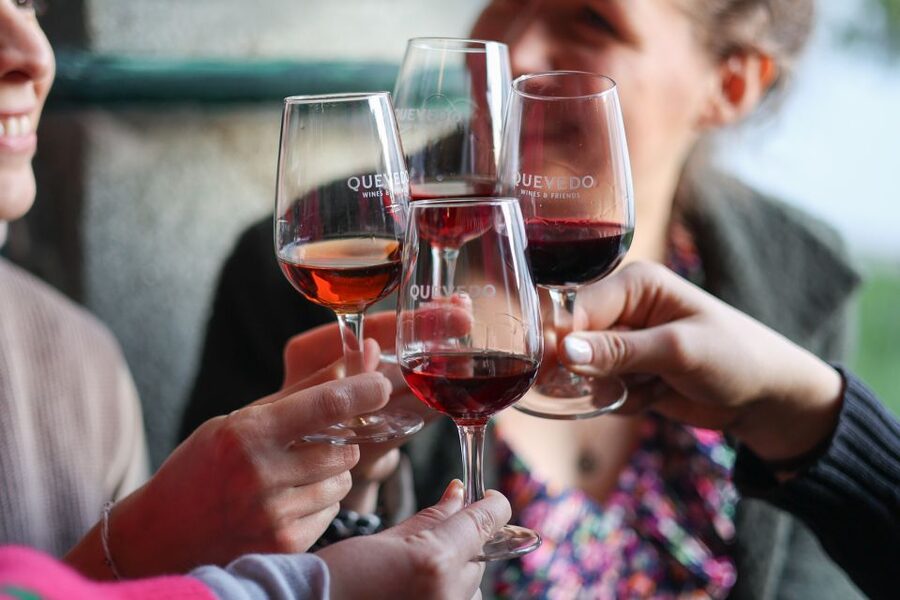
One hour is short, but it suits this activity. You get three pours, three cheese matches, an explanation of Port production, and time for questions. The format is focused rather than padded with transport or a long walk between stops.
The limitation is that you should not expect a full vineyard excursion, a detailed cellar tour, or a visit to a Douro estate. One direct description of the activity makes this clear: it is a tasting only, with no visit to the bodega. If seeing barrels, production rooms, or vineyards is your main goal, choose a longer wine tour instead.
For a first introduction, I think the short length is an advantage. You can fit it into a busy Porto day without giving up half a day. It also works well for people who want to learn about Port without spending hours on formal wine instruction.
The tasting can be social. Groups are small, and the informal format leaves room for conversation with the host and other people at the table. One session even included live Fado music, although that should be treated as an occasional extra rather than a guaranteed part of the booking.
Is $30 a fair price?
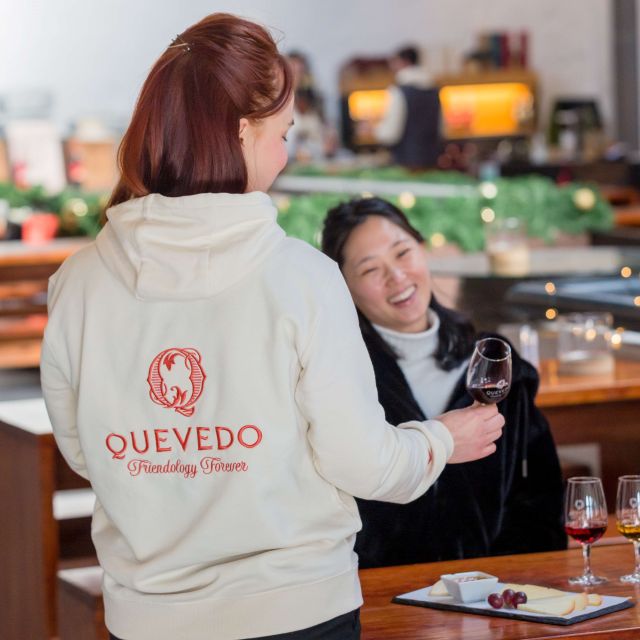
At $30 per person, the value is good if you want a guided introduction rather than three unconnected samples. The price includes three 40ml glasses, a cheese pairing with every pour, and staff who explain the wines and the producer.
The pours are modest, as they should be in a tasting. If you are looking for full glasses or a long evening of drinking, this is not the right product. Additional wines and snacks are not included, so the listed price covers the planned tasting only.
Compared with a large Port house visit, this session offers a more personal format at a lower commitment. You are paying for the host’s explanations as much as for the wine. The strongest value comes from the comparisons: three styles, three food matches, and a clear explanation of why they work together.
I would call it especially good value for people new to Port. Experienced collectors may find the selection basic, but the chance to ask detailed questions can still make the hour worthwhile. One past participant considered it a little pricier than it should be, while still finding it less expensive than the major Porto houses. That is a fair way to frame it.
Who will enjoy this Port tasting most?
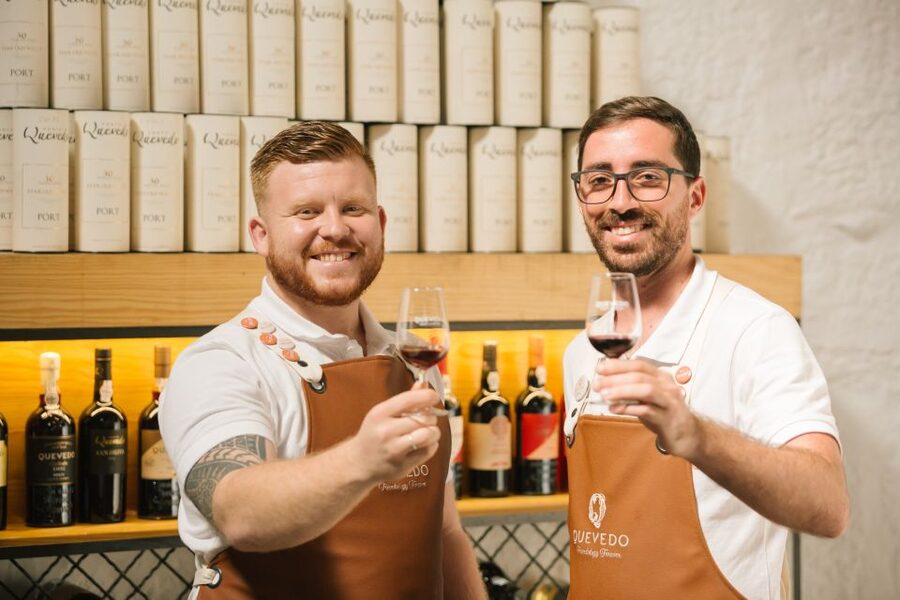
I would choose this experience if you want a friendly first lesson in Port, especially if you are unsure which styles suit your taste. The cheese pairings make the session more active than a simple pour-and-listen tasting, and the hosts explain the choices rather than assuming wine expertise.
It also suits couples, friends, and solo visitors who like small groups. The eight-person limit keeps the event personal, while the one-hour duration makes it easy to combine with other plans in Gaia.
Families can attend, but this is still a wine tasting. One person preferred an adults-only atmosphere after encountering children in another group. If quiet, adult conversation is important to you, keep that possibility in mind.
People with mobility concerns should note that the activity is listed as wheelchair accessible. The venue offers guidance in four languages, which helps if you are traveling with a mixed-language group.
Practical details before you book
Book this when the one-hour timing fits your day. Starting times vary, so you need to check availability rather than assume a fixed schedule.
Cancellation is flexible up to 24 hours in advance for a full refund. You can also reserve now and pay later, which helps if your Porto plans are still moving around.
At the meeting point, go to Quevedo Port Wine and ask a local staff member for the tasting. It is worth arriving ready to participate. Smell each Port, take a small sip before eating, then try the cheese and taste again. You will learn more from that simple order than from rushing through the pours.
Do not count on the guide offering extra samples. Chris received additional Port after asking about specific wines, but that was a personal courtesy, not part of the stated package. Treat it as a possible bonus, not something included in the price.
Should you book Quevedo’s Port and cheese tasting?
I would book it if you want a compact, well-explained introduction to Port in Vila Nova de Gaia. The mix of Crusted Port, 10-Year-Old Tawny, and 2009 White Colheita gives you real contrast, while the cheeses help you understand the wines in a practical way.
Skip it if your priority is a full Douro Valley day, vineyard views, cellar access, or a long tasting menu. This is a focused hour in a welcoming setting, not a complete winery visit.
For most Porto visitors, the combination of small groups, carefully chosen pairings, multilingual hosts, and a $30 price makes it an easy addition to a Gaia itinerary. You should leave knowing more about Port, with a better idea of what to order next and a few Portuguese cheeses to seek out along the way.
FAQ
How long does the Port tasting last?
The tasting lasts one hour.
How many Port wines are included?
You receive three glasses of Port. The planned selection includes Crusted Port, 10-Year-Old Tawny Port, and a 2009 White Colheita Port.
How much wine is served in each glass?
Each tasting pour is 40ml unless otherwise stated.
What cheese comes with the wine?
The pairings include aged local sheep cheese, mixed cow, goat, and sheep cheese aged with paprika, and a seven-month aged traditional Azores cheese served with local jam.
Where does the tasting meet?
Go to Quevedo Port Wine in Vila Nova de Gaia and speak with one of the local staff members.
Is the activity accessible and what languages are available?
The activity is wheelchair accessible. Hosts or greeters may speak Portuguese, English, Spanish, or Russian.
More Wine and Cheese Tastings in Portugal
- Lisbon: Portuguese Wine and Cheese Tasting with Lunch
★ 4.7 · 353 reviews - Amsterdam: Classic Saloon Boat Cruise with Cheese & Wine
★ 4.6 · 27,035 reviews - Amsterdam: Evening Candle Light Cruise With Wine & Cheese
★ 4.6 · 1,774 reviews - Amsterdam: Cozy Cheese & Wine Cruise Tasting Experience
★ 4.5 · 1,156 reviews
Freshly poured around Portugal
- Porto Wine Tasting Experience with Portuguese Tapas Plate★ 4.7 · 356 reviews
- Porto: Taylor’s Port Cellar Tour & WOW The Wine Experience★ 4.5 · 136 reviews
- Porto: The Wine Experience, Best Wine Museum in the World★ 4.7 · 621 reviews
- Porto: Tile Painting Workshop with Tea and Port Wine★ 4.9 · 66 reviews
- Porto: Self-Guided Bike and Boat Tour with Port Wine Tasting★ 4.7 · 52 reviews
- Porto: Douro River Boat Tour with Wine Tasting★ 4.9 · 167 reviews
- Porto: Sunset Walking Tour with Port Wine and Views★ 4.6 · 95 reviews
- Porto: Private Yacht Tour with Wine, Snacks & 6 Bridges★ 5.0 · 515 reviews
Portugal Wine Tours, side by side.
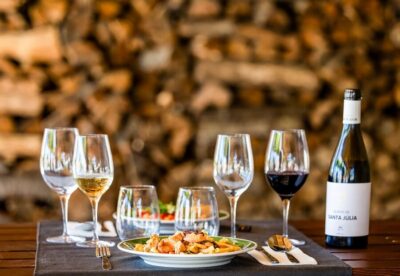
From Porto: Douro Valley w/ Boat Tour, Wine Tasting & Lunch
Read our review →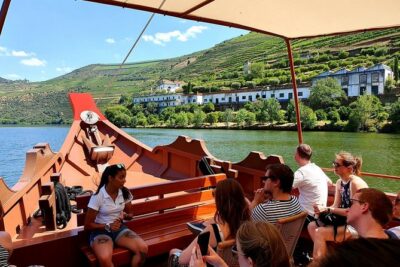
Complete Douro Valley Wine Tour with Lunch, Wine Tastings and River Cruise
Read our review →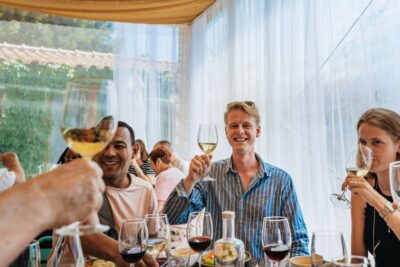
Porto: Douro Valley with Winery Lunch, Tastings & Cruise
Read our review →
Porto: Live Fado Show with Glass of Port Wine
Read our review →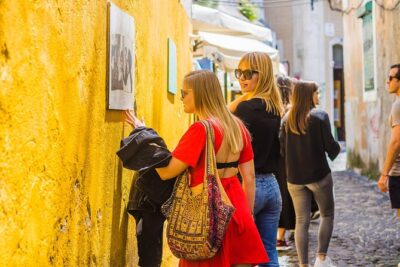
Winner 2025 Undiscovered Lisbon Food & Wine Tour by Eating Europe
Read our review →
From Porto: 2 Wine Regions, Farm-to-Table Lunch & Boat
Read our review →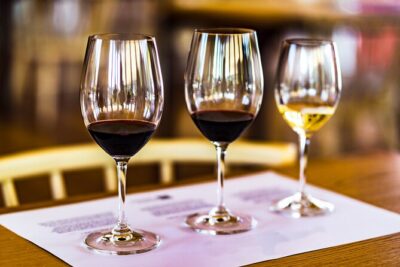
Douro Valley: Historical Sites, Wine Experience, Lunch & Cruise
Read our review →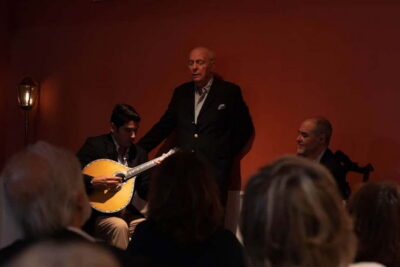
Lisbon: Live Fado Show with Port Wine at Lisboa em Fado
Read our review →Lists this tasting sits in