
Review · MILAN
Pizza and Tiramisu Cooking Class with Wine in Milan
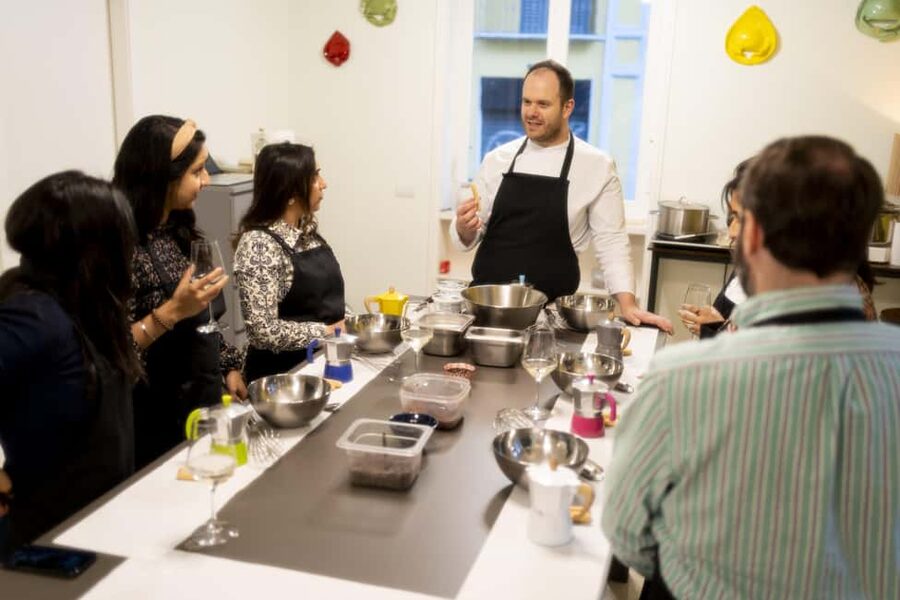
The best part of this Milan class is that you do not simply watch a chef cook. You make the dough, assemble the tiramisù, shape the pizza, and eat the results at the same table. The Michelin-trained chef explains the small choices that separate ordinary pizza from a properly light, crisp Neapolitan pie.
I like the small-group format, which gives you room to work rather than fight for a turn. I also like the pairing of pizza with tiramisù: you leave with a full meal and two useful Italian recipes, plus a few glasses of Prosecco and red wine.
The main consideration is time. Two hours moves quickly, and this is a social cooking lesson rather than a slow culinary workshop. If you want a long lesson on fermentation or several different pizza styles, you may find it too brief.
Key points
- You make both dishes from scratch: Prepare tiramisù first, then mix, shape, top, and bake your pizza.
- Michelin-trained instruction: Chefs such as Francesco and Denisse explain techniques and ingredient choices in clear English.
- Small-group cooking: You get hands-on time instead of merely watching a demonstration.
- Wine is part of the meal: Taste Prosecco and Italian red wine as you cook and eat.
- Useful for families: Teenagers and adults can take part, making this a good shared activity in Milan.
- Easy central location: Find the class at Via Lodovico Settala 1, near Porta Venezia and Repubblica.
Making tiramisù before the pizza
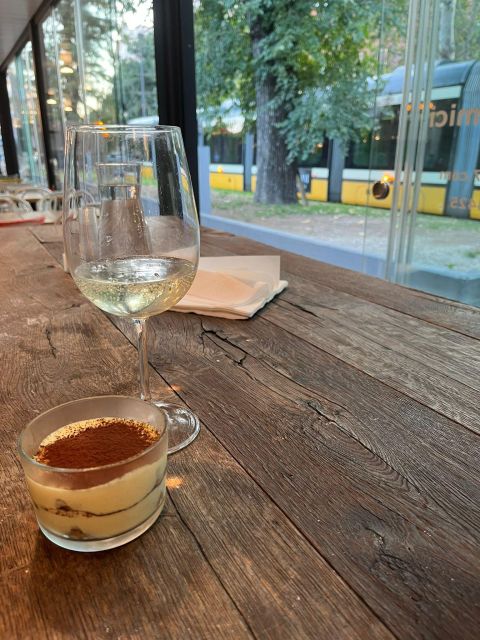
The class begins with tiramisù, which is a smart way to start. You prepare the cream, assemble an individual portion, and place it in the refrigerator to rest while you work on the pizza. By the time dinner is finished, the dessert has had time to settle.
This order also gives you an early success. Tiramisù requires careful assembly, but it does not demand the same physical work as pizza dough. You can focus on the cream and layers before moving to kneading and shaping.
You prepare your own portion rather than watching one large dessert appear in front of the group. That makes the lesson more useful at home, since you can see the process from beginning to end and leave with a clear idea of how the dish is built.
The dessert is also a good match for the wine portion of the experience. Prosecco keeps the opening part light, while the tiramisù provides a sweet finish after the pizza. This is not a small tasting menu. You are making dinner, so arrive ready to eat.
More wine tours around Milan:
- Milan: Pasta and Tiramisu Cooking Class with Wine
★ 4.8 · 1,106 reviews - Gnocchi, Pasta, Tiramisù and Wine Class
★ 5.0 · 691 reviews - Small-Group Barolo Wine Tasting, Alba & UNESCO Piedmont Hills
★ 5.0 · 689 reviews
Learning the pizza dough details that matter
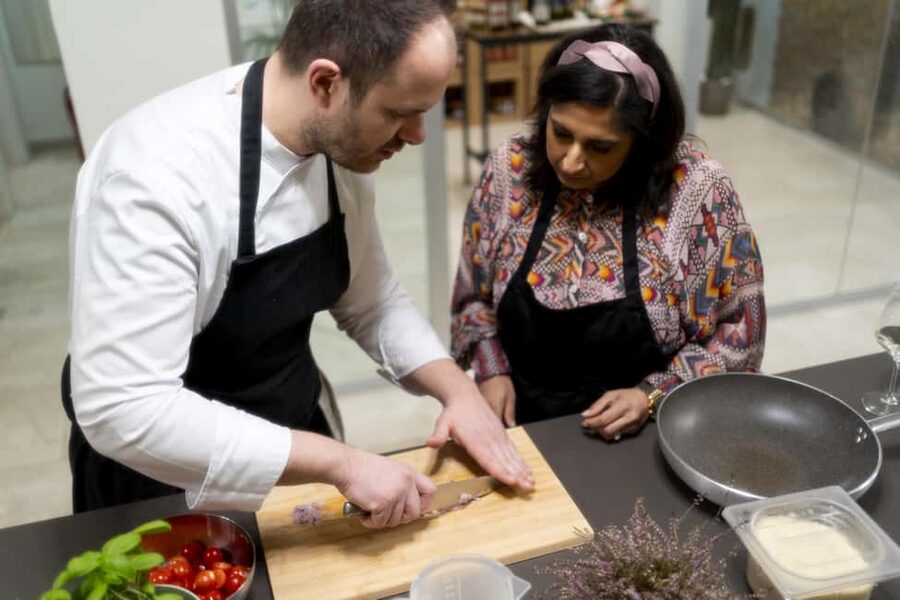
Pizza dough looks simple on paper: flour, water, yeast, and salt. The hard part is understanding what the dough should feel like at each stage. The chef guides you through kneading and explains how technique affects the final crust.
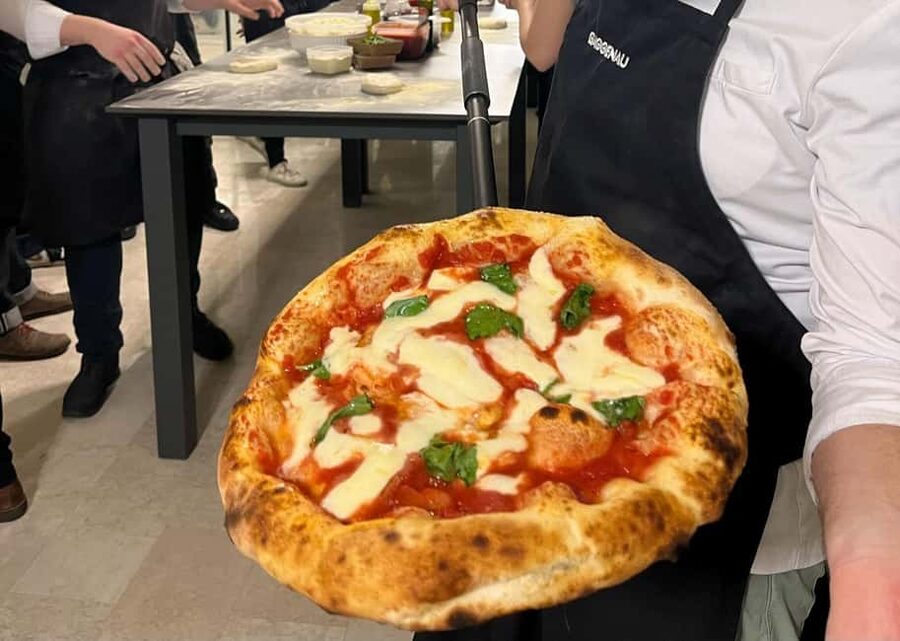
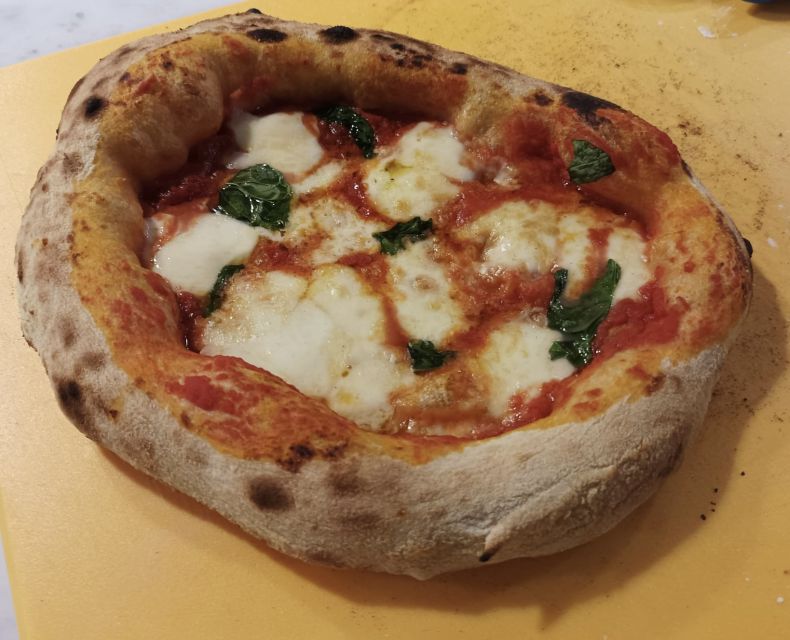
The class focuses on Neapolitan-style pizza, not thick American pan pizza. You shape the dough, add toppings, and bake it yourself. The aim is a pizza with a light texture and a properly cooked base, rather than a flat piece of bread carrying too much topping.
This is where the chef’s professional background helps. Francesco, who has worked in different countries and in a Michelin restaurant, has been praised for explaining not only what to do but why each step matters. Denisse has also led sessions with clear instruction on ingredients, texture, and technique. The chef may vary by date, but the teaching is in English.
You will likely hear practical advice about common mistakes: handling the dough too roughly, using too many toppings, or failing to judge when the pizza is ready. These are the details that make the class more valuable than simply following a printed recipe.
The class does not promise to turn you into a pizza professional in one evening. It does give you a working method you can try again at home. That is a useful souvenir, especially if you have ever made pizza dough that came out heavy, dry, or ordinary.
Shaping, topping, and baking your own pizza
Once the dough is ready, you shape your pizza and add the toppings. This is the most active part of the lesson, and it is also where beginners can feel the difference between watching and doing.
The chef helps you through each stage, so you do not need prior cooking experience. The approach is practical and patient. You are not expected to handle the dough perfectly on your first attempt, and help is available when shaping goes wrong.
You then bake the pizza and eat what you have made. That final step matters. The pizza is not a sample prepared by someone else, and the class does not end with a demonstration. Your work becomes the main course.
The order in which pizzas enter the oven can affect the pace of the meal. If yours is among the first, you may have plenty of time to eat while the rest of the group finishes. If you are waiting for your turn, the wine and conversation help fill the gap, but the timing may not be identical for everyone.
The small group keeps this from becoming too impersonal. You share the room, the cooking, and the meal with other food lovers, but you still get a chance to work with your own dough. That balance is one of the strongest reasons to choose this class over a large demonstration.
Prosecco, red wine, and a social table
Wine is included throughout the experience. You can expect Prosecco during the class and Italian red wine with the meal, along with a guided tasting of the wines.
The wine is not the main event, and that is a good thing. It supports the cooking rather than distracting from it. You can listen to the chef, work with the ingredients, and chat with the group while trying different Italian pours.
The social mood is part of the value. This is a cooking lesson with dinner attached, not a silent technical course. Couples can treat it as an easy evening activity, families can cook together, and groups can use it as a relaxed shared meal.
If you do not drink wine, the class can still work for you. One person specifically noted not drinking wine while friends enjoyed the quality of the pours. The food and instruction remain central, so you are not paying only for alcohol.
Keep in mind that the class language is English. That makes the instructions accessible to English-speaking participants, but the international group may have different cooking backgrounds and speeds. The chef’s patience helps, though the overall pace remains that of a two-hour group activity.
Same vines, another glass to try:
- Milan Urban Winery: Taste & Tour at Cantina Urbana
★ 4.7 · 683 reviews - Milan: Italian Cooking Class with Food and Wine
★ 4.7 · 509 reviews - Milan: Pasta Class with Gelato or Tiramisù & Unlimited Wine
★ 4.9 · 233 reviews - Milan: Pasta, Gnocchi and Tiramisù Cooking Class with Wine
★ 5.0 · 117 reviews
What the chef adds to the experience
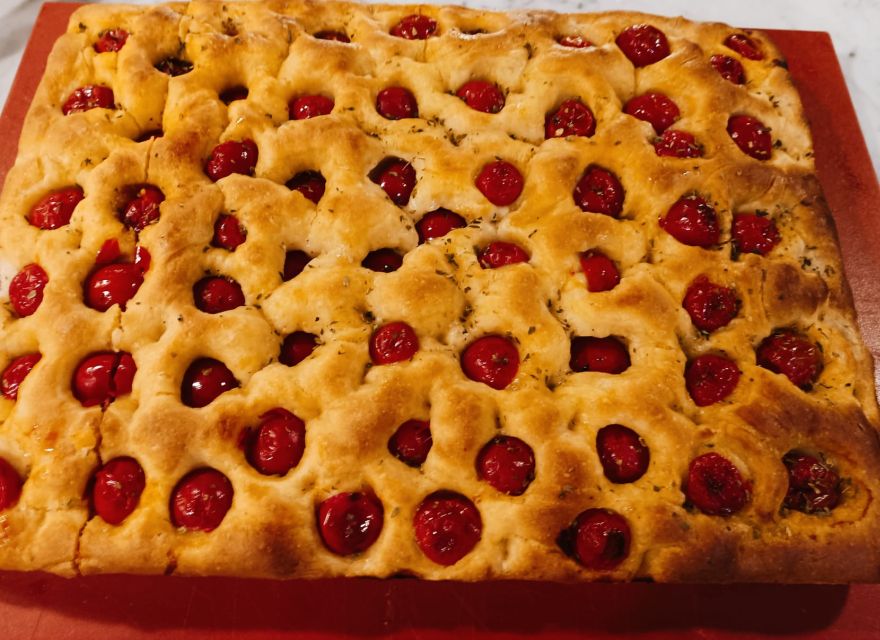
A good cooking class depends heavily on the instructor. Here, the chef’s role is not limited to handing out ingredients and reading instructions.
Francesco has been described as patient, friendly, funny, and attentive, with a clear command of spoken English. Denisse has also received praise for explaining ingredient choices and pizza technique in a way that helps you understand the reasons behind each step. Liù has led sessions with personal attention, useful tips, and answers to individual questions.
The names may vary depending on the booking date, so do not choose a particular session solely because you expect one chef unless that is confirmed when you reserve. What you can reasonably expect is professional culinary training and an English-language lesson built around hands-on work.
The best teaching moments are the small corrections. A chef can show you how to handle a sticky dough, how much topping is enough, or how to avoid a soggy center. Those quick fixes are often more useful than a long speech about Italian food.
You also get tips that can travel home with you. One couple received recipes for future reference, and the class is designed to leave you more confident about repeating the dishes. You will still need suitable equipment and ingredients at home, but you should understand the process much better.
A clean, comfortable setting near Porta Venezia
The meeting point is Via Lodovico Settala number 1. Ring at number 18 when you arrive. The nearest subway stops are Porta Venezia and Repubblica, making the location practical if you are staying in central Milan.
You can also walk from Milan Cathedral. The distance is about 2 kilometers, or roughly 25 minutes on foot. That makes the class easy to pair with a day around the Duomo, though you should allow time to reach the address and find the entrance without rushing.
The cooking room has been described as clean and comfortable, more like a kitchen classroom than a formal restaurant. That matters because you will be working with flour, dough, cream, and toppings. A polished dining room would be less useful here than a space designed for practical cooking.
The class has a small-group setup, but the supplied details do not give a fixed maximum number. You should check the available date if group size is important to you. Small groups generally make it easier to ask questions and get direct help, but the exact pace can still depend on how many people attend.
Is $77 a fair price?
At $77 per person, this is not the cheapest pizza dinner in Milan. You could buy pizza and dessert for less, and a restaurant meal would require no kneading, waiting, or cleaning up.
The comparison changes when you count what is included. You receive a two-hour lesson with a professional chef, a full pizza-and-tiramisù dinner, wine tasting, and a small-group cooking format. You also leave with techniques you can repeat, rather than only a meal that disappears after the bill is paid.
I see the price as fair for couples, families, and people who enjoy food activities. It is especially good value if you would otherwise book both a meal and a separate short class. The experience combines the two.
The value is less clear if you are mainly searching for a quick dinner or if you already make pizza confidently. You are paying for instruction and social time, not just calories. Someone who wants a serious multi-day baking course should choose a longer program instead.
Who will enjoy this Milan cooking class?
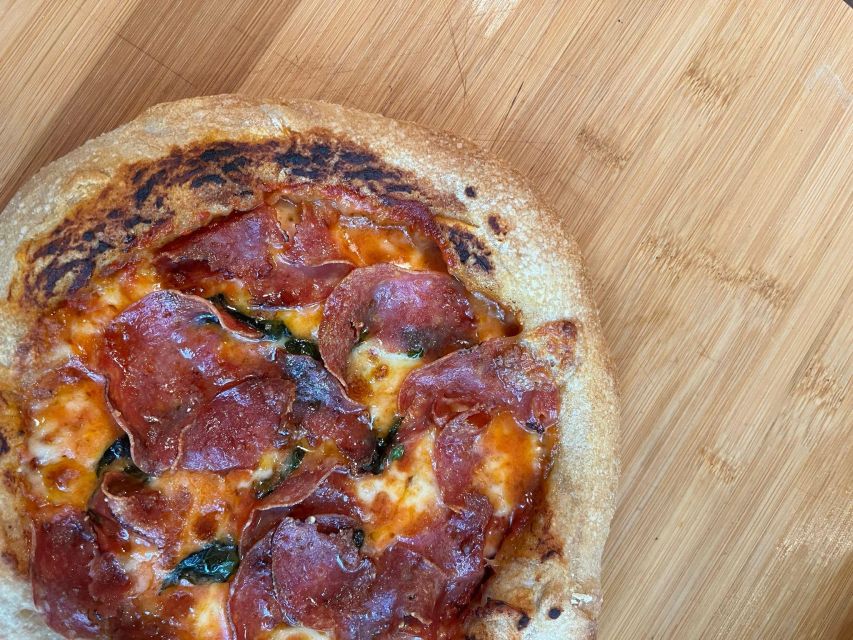
This class works best for you if you like active sightseeing. You will not spend the evening sitting back while someone else performs. You will handle ingredients, make decisions, and accept a few imperfect shapes along the way.
Families are a strong match. One parent used the class to involve a teenager in making real pizza, and the shared work turned it into a memorable activity. Children should be able to follow the class safely and comfortably, but the supplied information does not give a minimum age, so confirm that before booking for young children.
Couples also have a good reason to choose it. The wine, shared table, and hands-on cooking give you something to do together, with less formality than a fine-dining meal.
It also suits solo participants and small groups. The class creates natural conversation without requiring you to arrive with a large party. If you are hoping to meet people over food, this setting is more promising than a standard restaurant table.
Vegetarian and gluten-free options are available on request. Tell the provider in advance rather than assuming the kitchen can adjust your meal at the last minute. The information provided does not list the exact gluten-free ingredients or preparation method, so ask if cross-contact is a concern.
Practical timing and booking advice
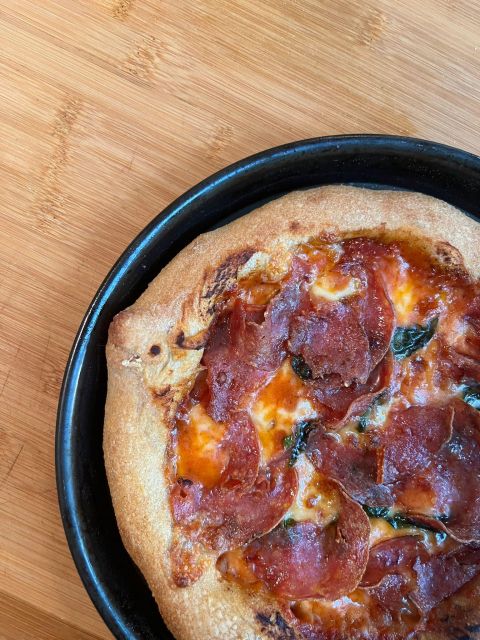
The class lasts two hours, which is long enough for both recipes but short enough to fit into a busy Milan itinerary. I would avoid scheduling a major attraction immediately afterward. The cooking itself is timed, and you will want to enjoy the meal rather than watch the clock.
Starting times vary, so check the available date before building your day around it. The class is held in English, and the meeting point is reached by subway or on foot from the cathedral area.
You can cancel up to 24 hours before the experience for a full refund. The reserve-now-and-pay-later option lets you hold a place without paying immediately, which is useful when your Milan plans are still changing.
Wear something comfortable for cooking. The supplied information does not specify dress rules, but flour and food preparation are part of the activity, so practical clothing makes sense.
The main strengths and the limits
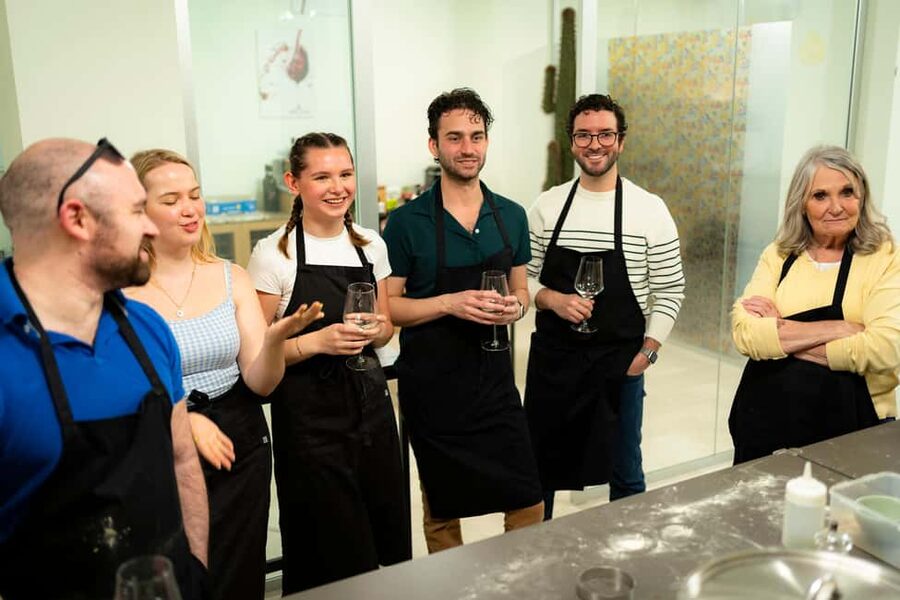
The strongest feature is the combination of instruction and dinner. You learn a classic pizza method, assemble tiramisù, taste Italian wine, and eat the results in one compact session.
The teaching also receives consistent praise for patience, clarity, and personal attention. That is important for beginners, who need a chef willing to correct technique without taking over the work.
The main limit is scope. You make one pizza and one dessert, not a full tour of Italian regional cooking. The two-hour schedule leaves little room for long fermentation theory, multiple dough styles, or a detailed wine course.
The group setting can also mean that not every pizza comes out of the oven at the same moment. This is a minor issue, but it is worth knowing if you expect a perfectly synchronized restaurant service.
Should you book it?
Book this class if you want an edible souvenir from Milan and enjoy taking part rather than simply looking at sights. It is a particularly good choice for couples, families with older children or teens, and small groups that want an easy evening activity with food and wine.
I would also choose it for a first Italian cooking lesson. The chef’s explanations, small-group format, and simple two-dish menu keep the experience approachable while still teaching useful technique.
Skip it if you want a quiet meal, a long professional course, or a highly technical study of pizza fermentation. For most visitors seeking a friendly, practical taste of Italian cooking, $77 buys more than dinner. It buys a skill you can try again after Milan.
FAQ
Where is the pizza and tiramisù class held?
The class meets at Via Lodovico Settala number 1 in Milan. Ring at number 18 when you arrive.
How do I reach the meeting point?
The nearest subway stops are Porta Venezia and Repubblica. You can also walk from Milan Cathedral, which is about 2 kilometers away, or roughly 25 minutes on foot.
How long does the class last?
The experience lasts two hours. Starting times vary, so check availability for your chosen date.
Is the class taught in English?
Yes. The instructor language is English.
What food will I prepare?
You will make tiramisù and authentic Neapolitan-style pizza. You prepare the tiramisù cream and assemble your own portion, then make the pizza dough, shape it, add toppings, bake it, and eat it.
Is wine included?
Yes. The experience includes a guided tasting with Prosecco and Italian red wine.
Is dinner included?
Yes. Your pizza and tiramisù are included as the meal.
Are vegetarian and gluten-free options available?
Yes. Vegetarian and gluten-free options are available on request. Contact the provider in advance with your dietary needs.
Can I cancel the booking?
You can cancel up to 24 hours in advance for a full refund. You can also reserve now and pay later, keeping your plans flexible.
Freshly poured around Milan
- Milan: Wine Tasting Experience in the City Centre★ 4.5 · 113 reviews
- Milan Wine Tasting Aperitivo★ 4.4 · 31 reviews
- Milan: Pasta, Gnocchi and Tiramisù Cooking Class with Wine★ 5.0 · 117 reviews
- Milan: Pasta Class with Gelato or Tiramisù & Unlimited Wine★ 4.9 · 233 reviews
- Milan: Small Group – Duomo & Rooftop, Wine & Food Tasting★ 5.0 · 27 reviews
- Milan: Italian Cooking Class with Food and Wine★ 4.7 · 509 reviews
- Milan: History & Street Food Tour with Wine Tasting★ 4.9 · 30 reviews
- Milan: Food and Wine Experience★ 4.5 · 30 reviews
Milan Wine Tours, side by side.
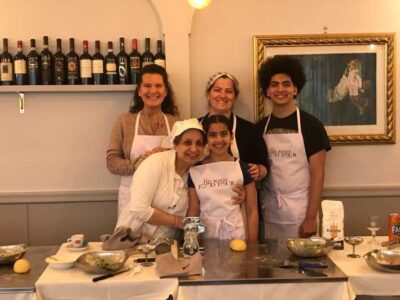
Milan: Pasta and Tiramisu Cooking Class with Wine
Read our review →
Small-Group Barolo Wine Tasting, Alba & UNESCO Piedmont Hills
Read our review →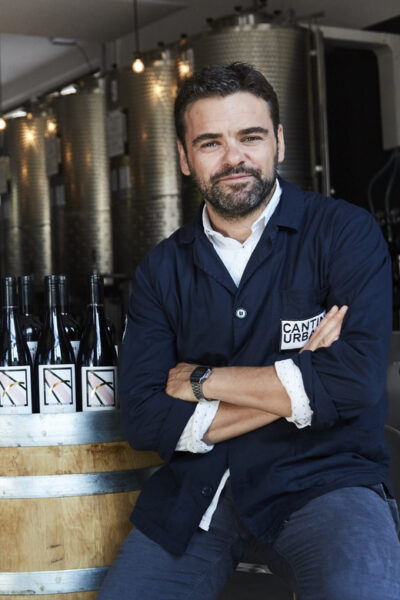
Milan Urban Winery: Taste & Tour at Cantina Urbana
Read our review →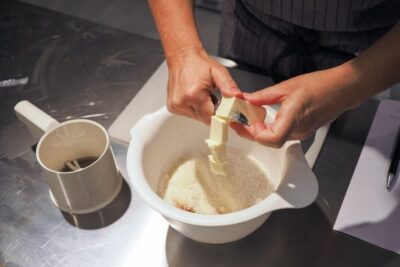
Milan: Italian Cooking Class with Food and Wine
Read our review →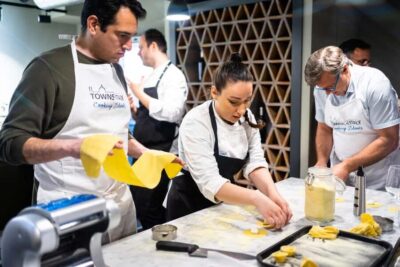
Milan: Pasta Class with Gelato or Tiramisù & Unlimited Wine
Read our review →
Milan: Pasta, Gnocchi and Tiramisù Cooking Class with Wine
Read our review →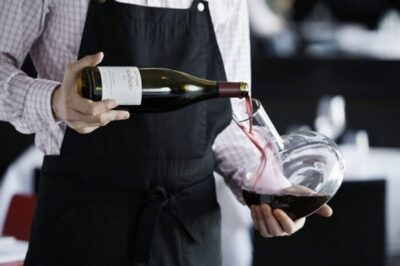
Milan: Wine Tasting Experience in the City Centre
Read our review →Lists this tasting sits in