
Review · CHAMPAGNE
Passy-Grigny: Chocolate and Champagne Tasting Tour
Champagne Dom Caudron offers something more useful than a quick sip at a polished tasting counter: a look at how Champagne is actually made. In Passy-Grigny, you tour the production rooms, learn about the village’s Meunier tradition, and finish with three Champagnes matched with three chocolates. I like the clear, friendly guiding and the unusual food pairing. The main drawback is the setting: Passy-Grigny is hard to reach without a car.
I especially like that the visit is tied to a working Champagne house and its local growers, rather than only to grand-brand marketing. I also like the length. At about 90 minutes, it gives you enough time to understand the process without swallowing half a day. The production focus may disappoint you if you want a long historical tour or extensive vineyard time.
Key points
- A working Champagne house in Passy-Grigny: See the path from the first press used by local growers to the modern vat house.
- Three Champagne and chocolate pairings: The tasting is the finish, not an afterthought, with juice available for children.
- English or French guiding: Guides such as Clémentine, Fanny, and Katja have been praised for warm, clear presentations.
- A Meunier-centered story: Learn how village winemakers gathered in 1929 around Aimé Caudron’s forward-looking idea.
- A practical 90-minute visit: It fits neatly into a day exploring the Marne Valley.
- Car access matters: Public transport is limited, so plan your route carefully before booking.
A small village with a serious Champagne story
Passy-Grigny sits in the Marne Valley, away from the grand-name cellars of Reims and Épernay. That location gives this visit a different feel. You are not simply touring a famous label. You are learning how a Champagne house developed from the work of local growers.
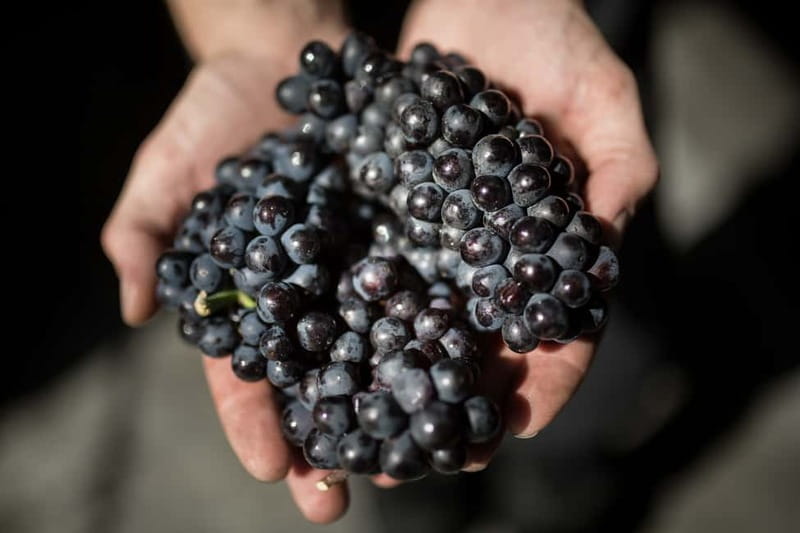
The story begins in 1929, when priest Aimé Caudron brought the village winemakers together around a promising idea connected with the Meunier grape. That grape is an important part of Champagne production, and it gives the house a clear local identity.
I find this background useful because it places the bottle in its proper setting. Champagne is not only a luxury drink sold in grand cellars. It is also the result of village agriculture, shared equipment, harvest work, pressing, fermentation, blending, and careful bottling.
The visit does not try to cover every corner of Champagne history. Its focus is practical: how the wine moves from grapes to finished bottle. If you prefer machinery, production, and winemaking details, that is good news. If you want a long story about kings, famous houses, and centuries of tradition, this will feel narrower.
More Champagne house visits around France:
- Champagne Day Trip with 6 Tastings, Reims and Winery from Paris
★ 5.0 · 902 reviews - From Reims: Champagne and Family-Run Wineries Tour
★ 4.8 · 671 reviews - From Paris: Reims and Champagne Tasting Full-Day Tour
★ 4.8 · 610 reviews
Starting at Champagne Dom Caudron
The meeting point is Champagne Dom Caudron at 10 Rue Jean York. Check the exact meeting instructions for the option you book, since the meeting point can vary.
The building functions as the base for the visit, the production tour, and the tasting. You begin by getting oriented, then follow the guide through the house. The tone is informal and approachable. This is not a formal lecture where you need prior knowledge. Beginners can ask basic questions, while people who already know Champagne will find room to ask about production and the role of Meunier.
The strongest part of the experience is the guide. Clémentine has been singled out for her warmth and charm, while Fanny, Katja, and other English-speaking guides have also made a strong impression with friendly, personal presentations. Names and staffing may change, but the pattern is clear: you can expect a live guide in English or French rather than an audio device or a self-guided walk.
That matters in a production setting. Champagne terms can get technical quickly. A good guide can explain the difference between pressing, fermentation, storage, and bottling in plain language, then adjust the explanation when you ask a follow-up question.
From the first press to the modern vat house
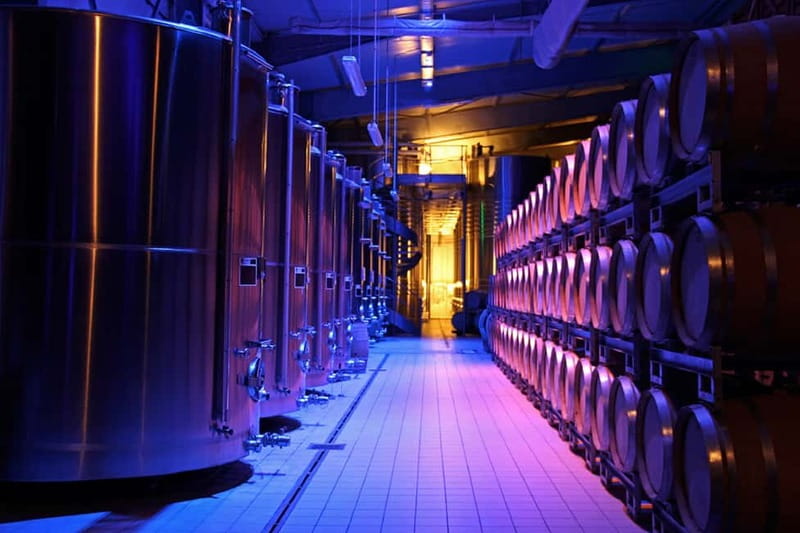
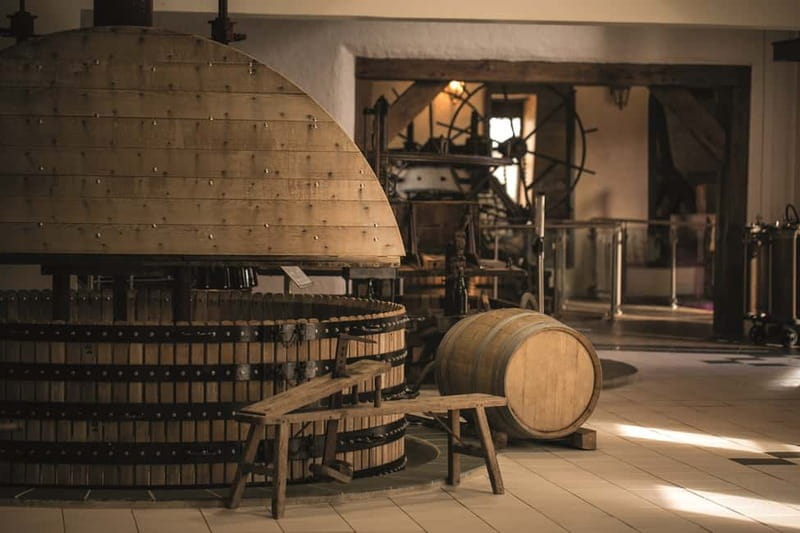
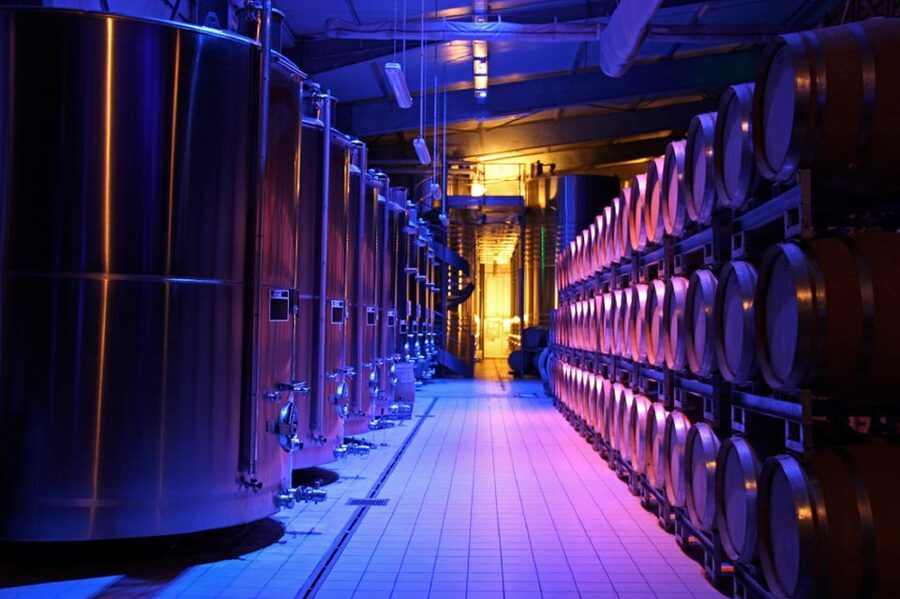
The tour takes you behind the scenes of Champagne production. One of its most interesting ideas is the contrast between the first press used by the Passy-Grigny growers and the current modern vat house.
That comparison helps you see change rather than simply hear about it. The old equipment connects the house to its village beginnings. The modern facility shows how present-day Champagne production depends on controlled, organized processes.
You will learn how the grapes are handled after harvest and how the liquid moves through production. The exact amount of technical detail depends on the guide and the group, but the visit is built for both newcomers and people who already know something about wine.
A short film forms part of the presentation. It adds another way to understand the harvest and production process, although the film may feel less current than the rest of the visit. I would treat it as background support rather than the main attraction. The guide remains the person who can answer your questions and connect the film to what you see in the building.
Some visitors have especially enjoyed seeing a modern production house instead of touring only historic cellars. That is a fair point. You get a clearer sense of how Champagne is made today, not just how it was made in the past.
What the 75-minute guided tour covers
The guided portion lasts about 75 minutes, with the full experience taking around 90 minutes. That gives you a useful block of time without turning the visit into a long technical seminar.
Expect the tour to move through several parts of the Champagne-making process. The guide explains the house’s origins, the importance of its local growers, and the role of Meunier. You then look at the production side, including pressing and the modern vat house, before the presentation and tasting.
The pace is one of the tour’s advantages. Several people found it informative without feeling too long. One person felt it was slightly shorter than expected and wanted more information. That tells you how to judge the timing: 90 minutes is enough for a solid introduction, but not enough for a full-day wine course.
I would arrive ready to listen and ask questions. If you are curious about how the grapes are pressed, how production has changed, or why the house is linked so closely to Meunier, this is the time to speak up. The guides have been praised for answering questions readily.
The tour is also suitable for families. Children may not follow every production detail, but the mix of machinery, film, tasting, and the dramatic opening of a bottle can hold their attention. One guide even demonstrated sabering a bottle for young boys, which became a memorable moment. That demonstration may not be guaranteed on every departure, so consider it a possible extra rather than a promised part of the program.
More wine tours around France:
- Authentic Parisian Gourmet Food Tour with 10 Local Dishes & Wines
★ 5.0 · 4,754 reviews - Loire Valley Castles Day Trip from Paris with Complementary Wine
★ 4.5 · 3,907 reviews - Bordeaux: Cité du Vin Entry Ticket and Wine Tasting
★ 4.6 · 3,885 reviews - Bordeaux: River Garonne Cruise with Glass of Wine and Canelé
★ 4.5 · 3,630 reviews
Three Champagnes meet three chocolates
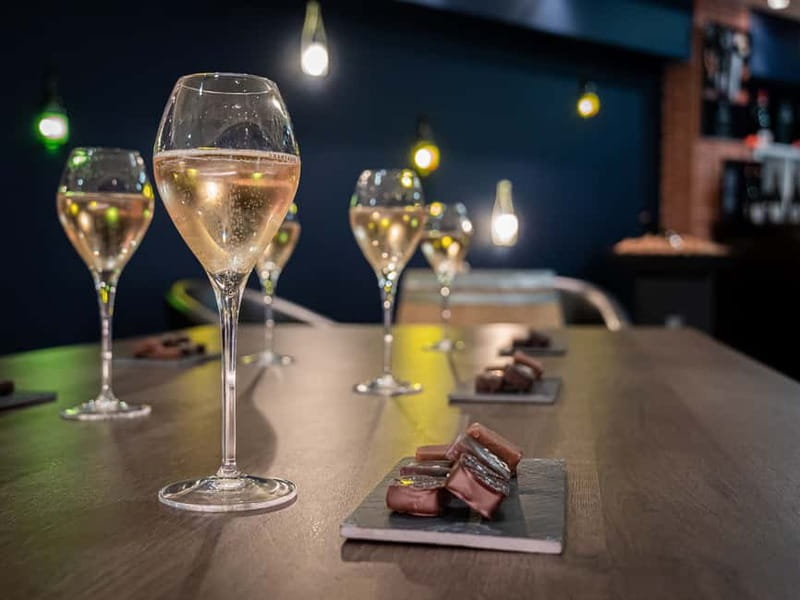
The tasting is the reward at the end of the visit, and it gives this experience its main point of difference. You taste three Champagnes with three chocolates, with the pairings presented as part of the guided experience.
This is more interesting than tasting three glasses without context. Chocolate changes how you notice Champagne. Sweetness, bitterness, fruit, acidity, and texture can all shift when you take a bite between sips.
You do not need to be an expert. The guide helps you approach each glass in a straightforward way. Notice how the Champagne feels before the chocolate, then taste the chocolate and try the wine again. You may find that the balance changes from one pairing to the next.
The tastings have been described as delicious, and the chocolates receive just as much attention as the Champagne. That balance matters. Some winery visits treat food as a token snack. Here, the chocolate is one of the reasons to choose the tour.
A child can be offered juice instead of Champagne. That makes the visit more practical for families, although anyone under the legal drinking age should not be served alcohol. The tasting is also a pleasant finish for adults who want to compare styles without committing to a much longer cellar program.
The tasting portion does not appear to be an open-ended drinking session. Think of it as three guided samples paired with three chocolates. If you want many more wines, a large food spread, or a full meal, this is not that kind of experience.
Why the $32 price can make sense
At $32 per person, the tour sits at a reasonable price for a guided Champagne-house visit. You are paying for about 90 minutes, a live English or French-speaking guide, access to the production story, three Champagne samples, and three chocolates.
The value improves if you care about the production side. A simple tasting might cost less, but it would not give you the same look at the pressing and vat-house work. A larger Champagne brand may offer more grand interiors or a longer history lesson, but you may also pay more for the name and scale.
I would call this good value for someone who wants both information and tasting. It is less compelling if you plan to spend the entire visit taking photographs in historic cellars or if you judge value only by the number of glasses poured.
The local setting adds something, too. You are visiting a house rooted in Passy-Grigny and its growers. That makes the experience feel tied to the Marne Valley rather than interchangeable with any winery tour in France.
The price does not include transport to the village, so include that in your budget. A car makes the visit much easier. Public transportation is not available in a useful way, and taxi or ride-hailing options such as Uber or Bolt may be your alternative. If you are based in Reims or Épernay, check the route before you reserve. The drive can be worthwhile, but arriving late would spoil the relaxed pace.
Getting there and fitting it into your day
The address is 10 Rue Jean York in Passy-Grigny, and the visit returns you to the Champagne Dom Caudron area. You do not need a separate transfer between tour stops.
The practical issue is reaching the village. Several people have found the location difficult without a car. I would not book this casually on the assumption that public transport will be simple. If you are renting a car, the visit works well as part of a day in the Marne Valley, with time to see nearby villages and vineyards.
Driving also gives you more freedom to explore the surrounding area before or after the tour. Do remember that anyone tasting Champagne should plan carefully. A designated driver or a non-driving arrangement is the sensible choice.
The tour itself is wheelchair accessible, which is important to confirm before choosing any winery visit. Still, access details can vary by departure point, so contact the operator if you need specific assistance.
How this compares with a major Champagne house
The best comparison is not better or worse. It is a question of emphasis.
A major house in Reims or Épernay may give you grand rooms, a famous name, and a strong historical presentation. Champagne Dom Caudron puts more weight on local growers, production, Meunier, and the working side of the business.
You also get a more intimate feeling here. The guide can make the visit feel personal, and the experience is not built only around brand prestige. The chocolate pairing makes it feel different from a standard Champagne cellar visit.
On the other hand, the house may not satisfy you if you want vast historic cellars or a long chronological account of Champagne’s past. One part of the presentation is a film, and that film may feel dated compared with the modern production rooms.
For a longer stay in the region, I would consider doing both: one famous house for the grand Champagne image, then Dom Caudron for the local and production-based view. If you have time for only one short visit, choose this one if you value a friendly guide, a clear explanation, and an unusual tasting.
Who will enjoy this visit most
I would recommend it to first-time Champagne visitors who want an explanation they can follow. The guide-led format removes much of the mystery without making you study wine vocabulary beforehand.
It also suits families better than many Champagne tastings. Children can follow the machinery and film, and juice is available. The tasting gives adults something special while the visit itself provides more than a quiet bar setting.
Couples and small groups will appreciate the combination of learning and tasting. It is also a good choice if you have already toured famous houses and want a different view of the region.
Wine specialists may enjoy the Meunier focus and the chance to ask questions. Just keep your expectations in check. This is an introduction and production visit, not an advanced winemaking workshop.
You may want to skip it if you have no practical way to reach Passy-Grigny, if you want an extensive vineyard walk, or if your main interest is Champagne aristocracy and grand historic cellars.
Booking details that matter
The activity lasts 90 minutes, with starting times dependent on availability. The live tour is offered in English or French. When booking, choose the language that will let you ask questions comfortably.
You can cancel up to 24 hours before the experience for a full refund, and the reserve-now, pay-later option lets you keep your plans flexible. Those terms are useful in the Champagne region, where weather, transport, and changing day plans can affect a rural itinerary.
The meeting point may vary according to the option you select, so read the confirmation carefully. The listed starting location is Champagne Dom Caudron, 10 Rue Jean York, and the drop-off returns to the same address.
Should you book Champagne Dom Caudron?
Book it if you want a friendly, production-focused Champagne visit with a clear English explanation and a tasting that goes beyond the usual cheese or biscuit pairing. The three Champagnes and three chocolates give the 90-minute tour a memorable finish, and the local Meunier story adds a useful sense of place.
I would be especially happy choosing it for a family, a first Champagne visit, or a day with a rental car in the Marne Valley. I would look elsewhere if you want grand cellars, a long history lecture, or a large-scale luxury experience.
At $32, the mix of guiding, production access, and tasting is fair. Just solve the transport question first. If you can get to Passy-Grigny easily, this is a thoughtful and enjoyable way to understand the region one glass and one chocolate at a time.
FAQ
Where does the Champagne and chocolate tour take place?
The experience takes place at Champagne Dom Caudron, 10 Rue Jean York, in Passy-Grigny in France’s Grand Est region.
How long does the experience last?
The full experience lasts about 90 minutes. The guided tour itself lasts around 75 minutes, followed by the tasting.
Is the tour offered in English?
Yes. The live tour is available in English or French.
What will I taste?
You will taste three Champagnes paired with three chocolates. Juice may be offered to children instead of Champagne.
Is the experience wheelchair accessible?
Yes, the activity is listed as wheelchair accessible.
Is transportation included?
No transportation is listed as included. The meeting and drop-off location is at Champagne Dom Caudron, and public transportation to the site may be difficult. A car or a taxi service such as Uber or Bolt may be needed.
Can I cancel or pay later?
You can cancel up to 24 hours in advance for a full refund. You can also reserve the experience and pay later, subject to the booking terms.
Freshly poured around France
- Private Tasting in Beaune : The Best of Burgundy Wines★ 4.9 · 66 reviews
- Semi Private Solar Boat Cruise in Champagne★ 4.9 · 32 reviews
- Private tour of Paris by Night with Champagne★ 4.7 · 323 reviews
- Montpellier: Pic Saint-Loup Wine Tour★ 4.9 · 290 reviews
- Paris: Wine Tasting Experience with 6 Wines and Cheese Board★ 4.9 · 80 reviews
- Paris: Wine and Cheese Tasting with a Chef Sommelier★ 4.7 · 277 reviews
- Paris: Wine and Cheese Tasting★ 4.6 · 91 reviews
- Paris: Tasting of 3 Wine and 3 Cheese★ 5.0 · 74 reviews
Champagne Tours, side by side.
Small Group Key West Adult Sunset & Moët Sail & Amazing Cheeses
Read our review →
Champagne Day Trip with 6 Tastings, Reims and Winery from Paris
Read our review →
From Reims: Champagne and Family-Run Wineries Tour
Read our review →
From Paris: Reims and Champagne Tasting Full-Day Tour
Read our review →
Epernay: Guided Tour of Champagne Cellar with Tastings
Read our review →
From Reims: Morning Champagne Tour and Tastings
Read our review →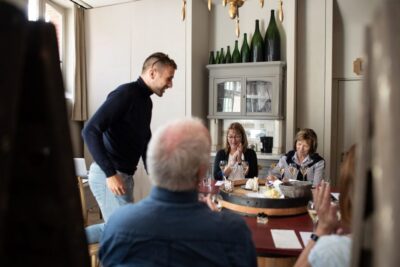
Lists this tasting sits in