

Review · TBILISI
Old Tbilisi Highlights Walking Tour with Wine & 10 Tastings
Tbilisi reveals itself best between the tastings. You move from the crooked lanes of the old town to a historic bakery, a spice shop, and a wine cellar, with the Clock Tower, Peace Bridge, and Mother of Georgia tying the story together. I especially like the small group limit of 10 and the way food is part of the city tour rather than a separate add-on. The $29 price also covers a generous list of samples.
I like that guides such as Luka, Giorgi, Zezva, and Niniko explain more than dates and monuments. They bring in Georgian culture, politics, wine-making, and daily life. The main drawback is the walking itself: steep streets, steps, and uneven surfaces make this a poor fit for anyone with limited mobility, and summer heat can slow the pace.
Key points to know before you book
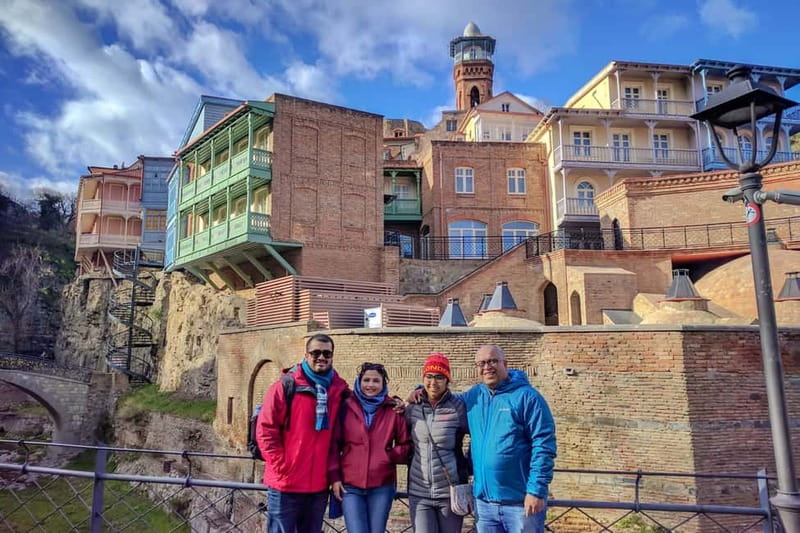
- More than 10 tastings: Try khachapuri, bean pie, sweet pastry, adjika, Svan salt, dried fruit, several wines, and chacha.
- The best Old Tbilisi sights are included: See Gabriadze Theatre’s Clock Tower, the Peace Bridge, Shardeni streets, and Mother of Georgia.
- A local guide shapes the day: Guides including Luka, Giorgi, Zezva, and Niniko are praised for clear English, humor, and strong knowledge of Georgia.
- Small groups keep it personal: Shared tours are limited to 10 people, with private options also available.
- Expect a real walk: Comfortable shoes and weather-ready clothing matter. This activity is not suitable for people with mobility impairments.
- Good value at $29: The price includes the guide, all listed tastings, and about three and a half hours of sightseeing.
Why this is a smart first look at Tbilisi
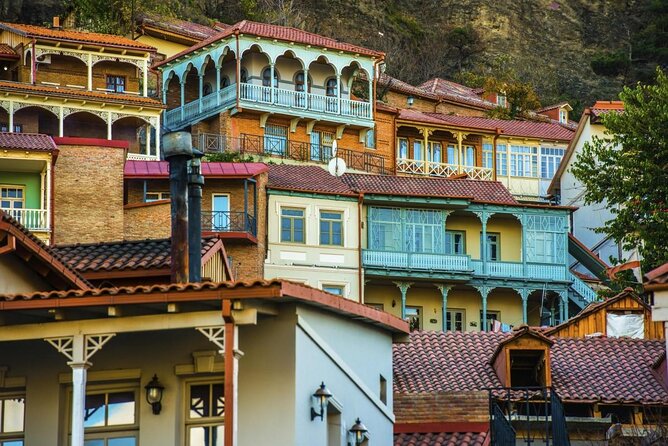
Old Tbilisi is compact, but it is not simple. A church may sit beside a sulfur-bath district, a European-style square, an old wooden balcony, or a modern bridge. Without context, you can easily walk past the most interesting details.
This tour gives you a useful first map of the city. You see the major sights, hear how Tbilisi and Georgia developed, and taste food that helps explain local life. That mix is the main reason I rate it highly for a first or second day in town.
The guide-led format also saves you from spending the morning stopping every few minutes to check a map. The route has enough structure to cover a lot, but it also includes lesser-known corners and small local businesses that are easy to miss on your own.
The group size matters. With no more than 10 people, you should be able to hear the guide, ask questions, and stop for photographs without the feel of a large coach tour. A private version is available if you want more control over the pace.
More wine tours around Georgia:
- Day Trip to Kakheti Wine Region Including 9 Wine Tastings
★ 5.0 · 2,774 reviews - From Tbilisi: Kakheti Wine Region Tour with 9 Wine Tastings
★ 4.9 · 2,541 reviews - Tbilisi: Kakheti Wine Region Tour with 10 Wine Tastings
★ 5.0 · 2,160 reviews
Meeting the guide near Berikaoba
The meeting point is the Berikaoba monument, showing people dancing in a circle. Your guide waits there, so take a moment to identify the sculpture before setting out.
This is a walking tour, not a hotel pickup service. You must arrange your own way to the meeting point, and transport is not included. That is a small but important detail if you are staying outside central Tbilisi or arriving with luggage.
The guides vary by departure. Names associated with this experience include Luka, Giorgi, Zezva, Niniko, David, Oki, and Mary. The strongest pattern is clear English, an easy manner, and a willingness to adjust the pace. In hot weather, one guide slowed down and added breaks, which is exactly the sort of practical flexibility you want on a long city walk.
Gabriadze’s Clock Tower and the old streets
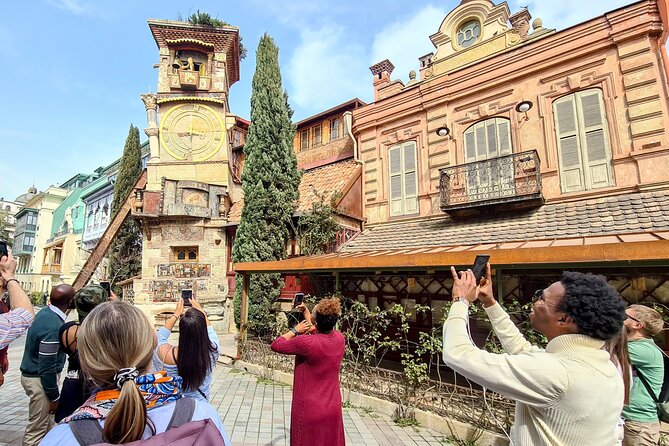
One of the first major sights is the charming Clock Tower connected with the Gabriadze Theatre. Its playful design gives you an immediate sense that Tbilisi is not a city of one architectural style. Old brick, carved balconies, religious buildings, Soviet-era traces, and modern design all appear within a short walk.
The value of seeing the tower with a guide is not just the photograph. You get the setting and the story around the old theatrical quarter, along with a sense of how the city’s artistic side fits into its older streets.
From here, the route moves through the lanes of Old Tbilisi. This is where comfortable shoes earn their keep. The surfaces can be uneven, and the walk may include slopes and steps. You should not expect a flat pavement stroll.
The pace is usually manageable, but the full experience lasts about three and a half hours. Wear shoes with a firm sole, bring water, and dress for the weather. In hot months, a hat and light clothing will make the walk easier. In cooler or wet weather, bring a layer that you can carry between stops.
Peace Bridge and the changing face of the city
The modern Peace Bridge is one of Tbilisi’s most recognizable sights. Its wave-like form creates a sharp contrast with the older streets around it, and the guide uses that contrast to explain the city’s changing identity.
This is a useful stop for understanding modern Tbilisi. You are not simply ticking off an unusual bridge. You are seeing how new public architecture sits beside the old town and how the city presents itself to residents and visitors today.
The bridge is also a strong photo stop, especially when you frame its curves against the older buildings. Still, do not expect every moment to feel historic or traditional. Part of the tour’s appeal is precisely this mix of old and new.
Same vines, another glass to try:
- Tbilisi Walking Tour Including Cable Car and Traditional Bakery
★ 5.0 · 1,310 reviews - Tbilisi: Mtskheta Jvari Bazaar, Chronicles of Georgia & Wine
★ 5.0 · 1,088 reviews - Kakheti Wine Region: Signagi and Bodbe Tour with 10 Wine Tastings
★ 5.0 · 1,019 reviews - Tbilisi:Mtskheta,Jvari,Bazaar,wine tasting,Chronicles of Georgia
★ 5.0 · 730 reviews
Shardeni streets and the old-town atmosphere
The colorful houses along Shardeni streets give the walking route a more social and commercial feel. Here, you move through one of the liveliest parts of the old center, with narrow lanes, painted facades, and plenty of visual detail.
A guide helps you read the street rather than simply pass through it. You can ask about the buildings, the city’s traditions, and how the old center fits into present-day Georgian life. Several guides are also happy to point out places to return to later.
This is one reason I suggest taking the tour early in your stay. You come away with ideas for the rest of your visit, including places to eat and sights you may want to see at a slower pace.
A historic bakery and Georgian comfort food
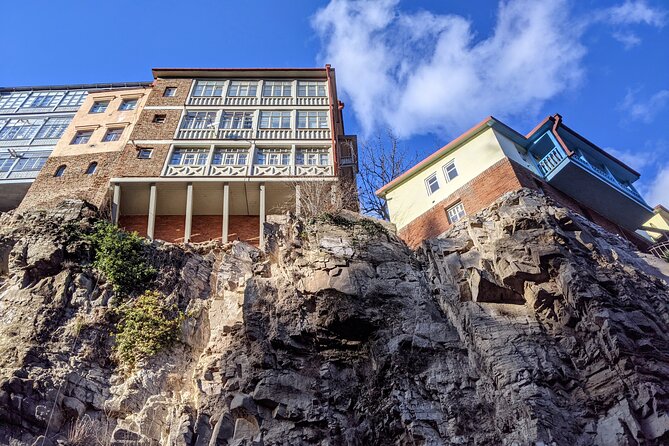
Food begins to take center stage at a historic bakery. The exact rhythm of the stop can vary, but the tasting includes Georgian pastries, khachapuri cheese pie, bean pie, and a sweet pastry filled with cream.
Khachapuri is one of the essential Georgian foods to try. It is hearty, salty, and filling, with melted cheese at its center. The bean pie offers a different taste and texture, while the sweet pastry gives you a simple finish before the wine portion of the tour.
The bakery stop feels useful because it connects food with place. You are not sampling anonymous bites from a hotel buffet. You are visiting a working local food business and seeing the sort of bakery you might otherwise miss.
Do pace yourself here. The tastings are not just tiny decorative samples, and the full list is substantial. If you are planning a large lunch immediately afterward, you may want to keep it light.
Spices, Svan salt, and a taste of Georgia at home
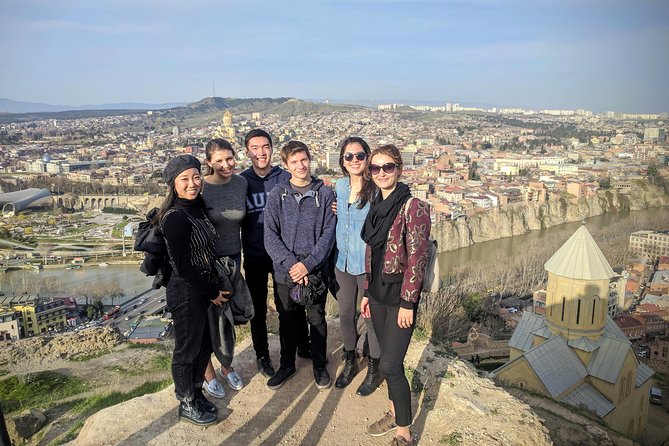
The spice-shop stop adds another layer to the food story. You can sample quality spices, adjika, Svan salt, and dried fruit, along with homemade chacha.
Adjika is a strongly seasoned Georgian condiment, while Svan salt gives you a chance to taste a regional seasoning that is easy to carry home. Dried fruit adds something sweet and chewy to the sequence.
This part is particularly helpful if you enjoy cooking. You can ask the guide or shop staff how the products are used, then decide what is worth buying later. The experience is not described as a hard-sell shopping stop, so you can taste and learn without feeling obliged to fill a suitcase.
The chacha tasting deserves care. Chacha is a Georgian grape spirit, and it is much stronger than the wine served later. You do not need to treat this as a drinking contest. A small taste is enough to understand its character.
The wine tasting that gives the tour its finish
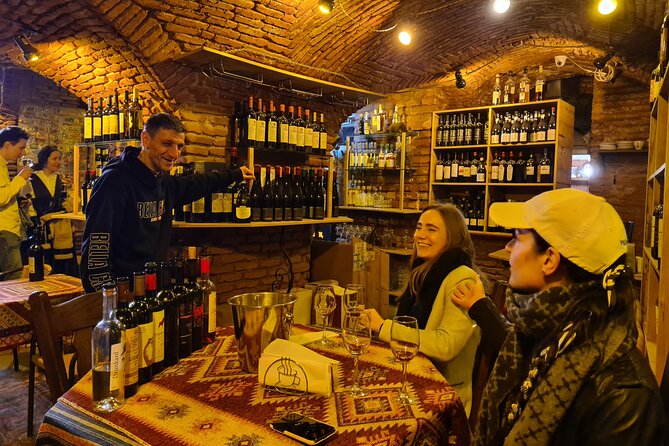
The final wine tasting is the strongest food-and-drink feature of the experience. You try white dry wine, white semi-sweet wine, amber wine, and dry red wine, with chacha also included.
Amber wine is especially useful for visitors unfamiliar with Georgian wine traditions. Its color and flavor differ from the pale whites many people expect, and the tasting gives you a direct comparison between several styles.
The setting can include a visit to Wine Factory N1, where you may meet the owner of the shop and hear about wine-making. That personal element adds value. You are not just lining up glasses; you have a chance to ask how Georgian wine is made and why the country’s wine culture matters.
The tasting is generous enough to function as a proper end to the tour. It also means you should think about the timing if you have a late-afternoon commitment. The activity lasts about three and a half hours, and stops may take longer when the group is engaged or the weather calls for breaks.
What the guides add to the experience

The guide is the difference between a pleasant walk and a useful introduction to Tbilisi. Luka is praised for excellent English and for explaining history, geography, politics, and the economy in a way that gives the city wider context. Giorgi is noted for a well-planned route and a good balance of sightseeing, food, and wine.
Zezva is described as friendly, humorous, and especially strong at explaining the city. Niniko brings a cheerful manner and a deep interest in local stories. David’s visit to Wine Factory N1 adds a personal touch to the wine section.
These individual styles can vary, but the pattern is reassuring. You are not signing up for a silent march between monuments. Expect questions, explanations, photographs, and recommendations for the rest of your Georgia trip.
Guides have also helped adjust the pace in hot weather and made time for photographs. That matters because three and a half hours can feel long if the route is rushed. It feels much better when the guide pays attention to the group.
Churches, clothing rules, and practical limits
The route may include church visits. Women need to cover their heads and wear clothing that reaches the knees. Men must remove hats and wear knee-length trousers. Scarves can be borrowed from the church to cover the head and legs.
These rules are easy to handle if you know them in advance. Dress modestly from the start if you want to avoid adjusting your clothing during the walk.
The tour is not suitable for people with mobility impairments. Old Tbilisi has uneven ground, hills, and steps, and the route is designed as an active walking experience. If you tire easily, ask about the pace before booking, but the published information does not promise an accessible route.
English is the tour language. The shared group is limited to 10 people, and a private option gives you a more personal format if available for your chosen time.
Is $29 good value?
At $29 per person, this is a strong deal if you want both sightseeing and food. The price includes an English-speaking local guide, roughly three and a half hours of walking, four wine styles, chacha, Georgian pastries, savory pies, spices, condiments, and dried fruit.
You could spend a fair amount trying these items separately, but the larger saving is time. The tour puts the city sights and food stops into one organized route, while also giving you explanations you would not get from a guidebook alone.
The value is best for a first visit. If you already know Old Tbilisi well, you may find the major sights familiar, though the bakery, spice shop, and wine tasting can still add something new.
Free cancellation up to 24 hours before the activity and reserve-now, pay-later booking also make it easier to fit into a changing itinerary. Those terms are useful, but the real test is whether you want a long walking morning or afternoon with several tastings.
Who should book this walking tour?
Book it if you want a clear introduction to Old Tbilisi, enjoy local food, and prefer a guide who can explain the city as you walk. It is especially good for couples, solo visitors, small groups of friends, and first-time visitors who want practical suggestions for the rest of their stay.
It also suits anyone curious about Georgian wine. The combination of dry white, semi-sweet white, amber, and red wine gives you a better starting point than tasting one generic glass.
Think twice if you dislike walking on uneven streets, need step-free access, or want a quiet food tasting with no sightseeing. This is an active city tour, and the food is woven into the route rather than served as a long sit-down meal.
Should you book it?
I would book this tour near the beginning of a Tbilisi visit. You get the city’s main old-town sights, a useful orientation, local food, Georgian wine, and a guide who can help you decide what to do next.
The best reasons to choose it are the small group size, the unusually broad tasting list, and the chance to meet local food and wine sellers. The only serious caution is the physical side of the route. If you are comfortable walking hills and uneven streets for several hours, $29 buys a lot of Tbilisi in one outing.
FAQ
How long does the Old Tbilisi Highlights Walking Tour last?
The tour lasts about three and a half hours. Starting times depend on availability when you book.
What food and drinks are included?
The tastings include white dry wine, white semi-sweet wine, amber wine, dry red wine, chacha, khachapuri cheese pie, bean pie, sweet pastry with cream filling, adjika, Svan salt, and dried fruit.
What sights will I see?
The route includes the Gabriadze Theatre Clock Tower, the Peace Bridge, Shardeni streets, and views from the Mother of Georgia monument. The guide also takes you through lesser-known parts of Old Tbilisi.
Is transportation included?
No. You are responsible for getting to the meeting point at the Berikaoba monument. Transport to the meeting point is not included.
What should I wear?
Wear comfortable shoes and clothing suited to the weather. If you enter a church, women need a head covering and knee-length clothing, while men must remove hats and wear knee-length trousers.
Can I cancel the booking?
Yes. You can cancel up to 24 hours in advance for a full refund. Reserve-now, pay-later booking is also available.
Freshly poured around Georgia
- One-day tour in Kakheti with a guide and free wine tasting★ 4.8 · 29 reviews
- Kutaisi walking tour with A GLASS OF FINE WINE★ 4.5 · 48 reviews
- From Tbilisi: Kakheti & Sighnaghi Guided Day Trip with Wine★ 4.3 · 103 reviews
- Gelati Momastery, Prometheus Cave, Sanatoriums and winetour★ 4.9 · 58 reviews
- From Tbilisi: Kakheti Wine Region Tour with 9 Wine Tasting★ 4.8 · 196 reviews
- from Tbilisi to Kakheti Tour Sighnaghi, Bodbe & Wine Tasting★ 4.7 · 49 reviews
- Batumi: Wine & Dine Tour To Waterfalls – Mountainous Adjara★ 4.9 · 363 reviews
- Tbilisi:Mtskheta,Jvari,Bazaar,wine tasting,Chronicles of Georgia★ 5.0 · 730 reviews
Tbilisi Wine Tours, side by side.
Day Trip to Kakheti Wine Region Including 9 Wine Tastings
Read our review →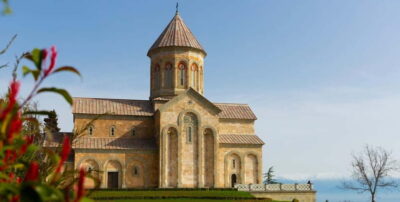
From Tbilisi: Kakheti Wine Region Tour with 9 Wine Tastings
Read our review →
Tbilisi Walking Tour Including Cable Car and Traditional Bakery
Read our review →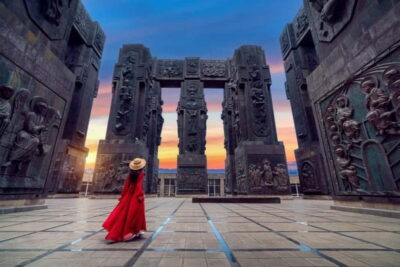
Tbilisi: Mtskheta Jvari Bazaar, Chronicles of Georgia & Wine
Read our review →
Kakheti Wine Region: Signagi and Bodbe Tour with 10 Wine Tastings
Read our review →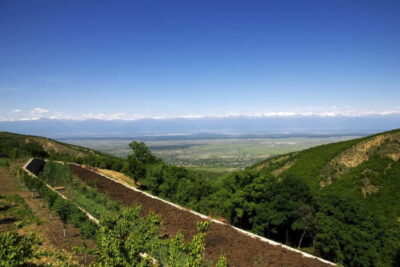
From Tbilisi: Kakheti & Sighnaghi Guided Day Trip with Wine
Read our review →
One-day tour in Kakheti with a guide and free wine tasting
Read our review →Lists this tasting sits in