
Review · FRANCE
Aÿ-Champagne: Pressoria Champagne Museum with Tasting
Pressoria turns Champagne-making into a hands-on journey from chalky soil to finished bottle. You move through technology-led rooms, learn how grapes are picked and pressed, and see how fermentation, aging, and bottling shape the drink in your glass. The two Champagne tastings at the end give the visit a pleasant finish, especially when enjoyed from the terrace with vineyard views.
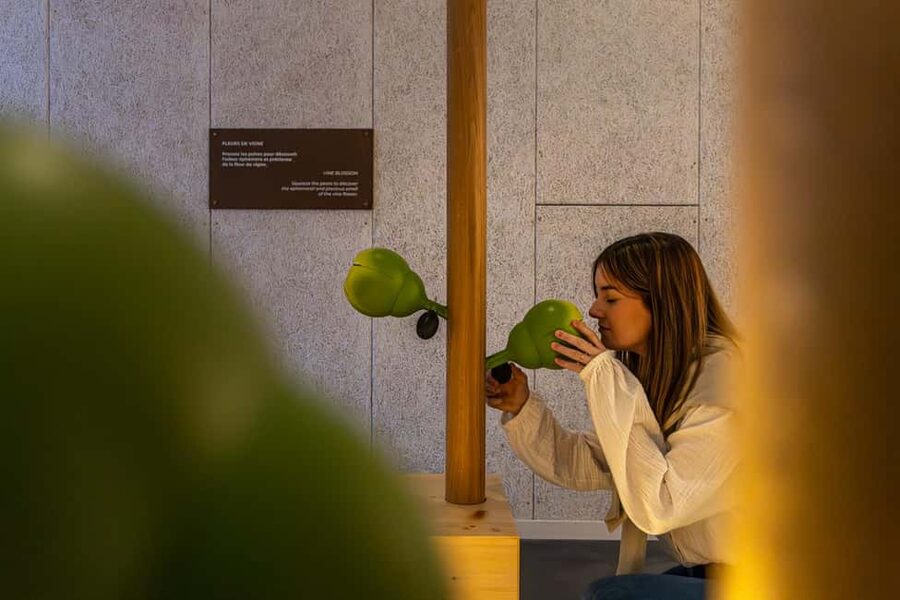
I like the fact that this is self-guided, so you can take your time instead of being pushed from room to room. I also like that children have something to do, with interactive displays built around sight, sound, touch, smell, and taste. The main consideration is that there is no food or personal guide included, and the museum may feel more useful to curious learners than to anyone seeking a traditional cellar tour.
Key points to know before you go
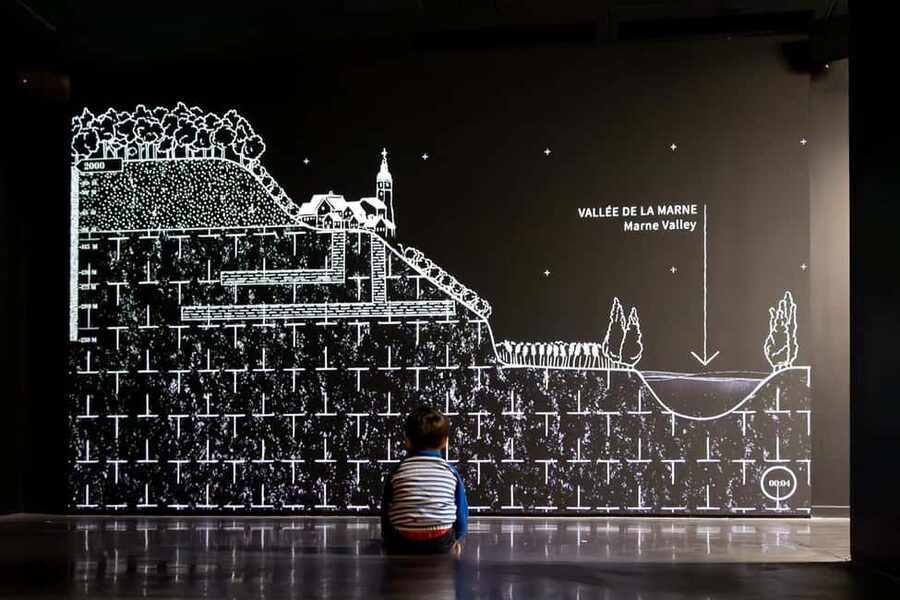
- The visit follows Champagne from soil to bottle, covering grapes, pressing, fermentation, aging, and bottling.
- Two local Champagnes are included, making the $21 admission more than a museum-only ticket.
- The displays use all five senses, with enough interaction to keep children interested.
- The experience is self-guided, with French and English support from the host or greeter.
- A terrace overlooks the vineyards, giving the tasting a peaceful setting.
- Parking is nearby on Boulevard Pierre Cheval, and lockers are available inside.
Why Pressoria is different from a standard Champagne tour
Many Champagne visits focus on grand cellars, brand stories, and rows of bottles underground. Pressoria takes a wider view. It explains the entire chain, beginning beneath your feet and ending with the drink in your glass.
That approach is useful because Champagne can seem simple until you ask why two bottles taste different. Pressoria connects the flavor to the region, the grapes, the soil, the cellar work, and the time spent aging. You leave with a better sense of why production is careful and why the finished wine costs more than an ordinary sparkling wine.
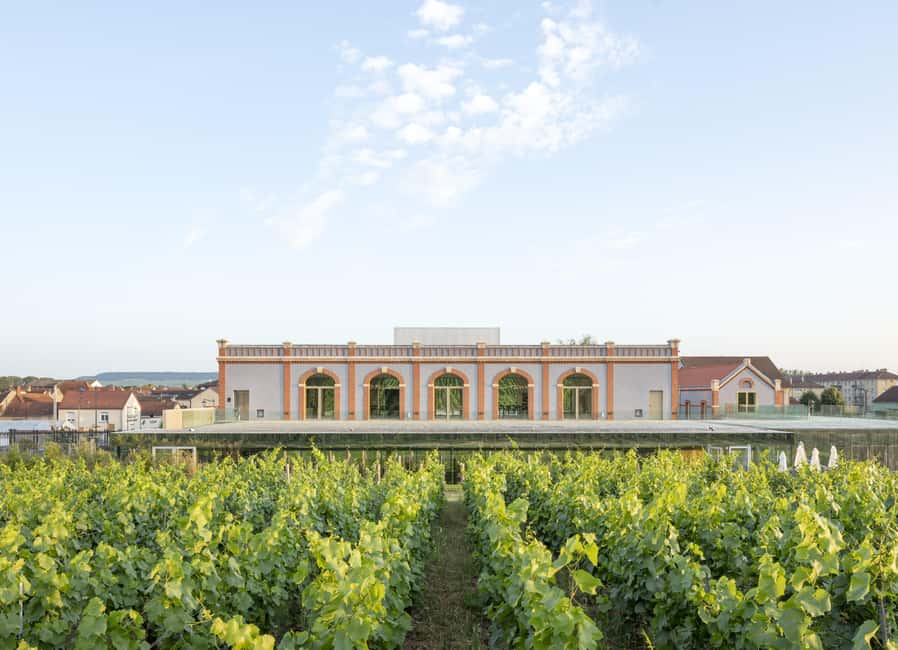
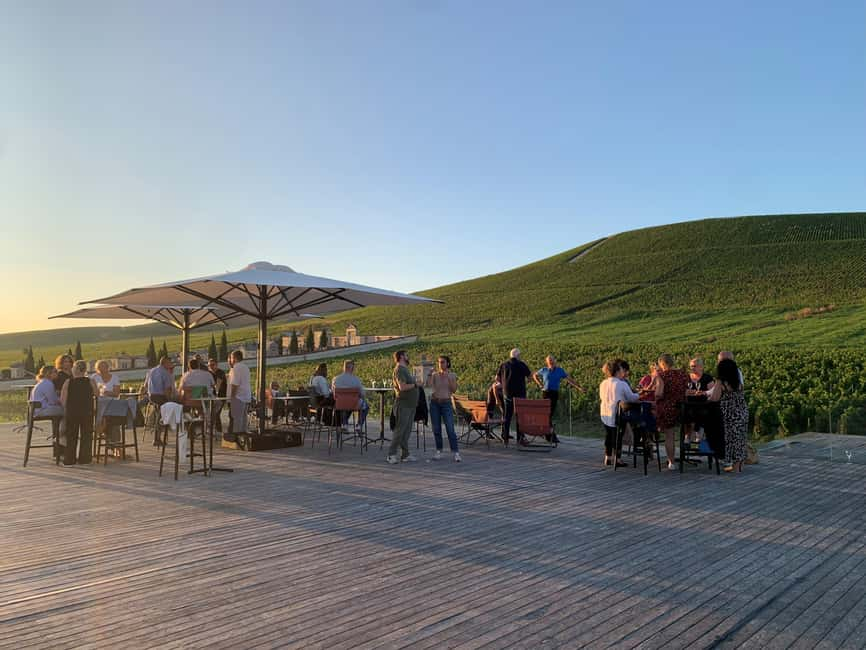
The setting helps. Pressoria sits at the foot of a green hillside in Aÿ-Champagne, a commune linked with the Champagne region’s UNESCO World Heritage status. You can pair the indoor visit with a quiet walk among the vineyards, where the neat rows of vines give you a clearer feel for the place behind the label.
This is not a formal tasting class led step by step by a sommelier. It is an educational museum with a tasting included. That difference matters when you choose it. You get freedom to linger, but you also need to read, watch, and experiment at your own pace.
More wine museums around France:
- Bordeaux: Wine and Trade Museum Entry Ticket & Wine Tasting
★ 4.4 · 121 reviews - Colmar: Alsace Wine Museum Entrance Ticket
★ 4.5 · 54 reviews - Porto: Cálem Cellar Tour, Interactive Museum & Wine Tasting
★ 4.5 · 4,113 reviews
Starting among the vineyards of Aÿ-Champagne
Your arrival point is the Pressoria museum, officially signed as Pressoria, Voyage sensoriel au coeur du Champagne. You can park on Boulevard Pierre Cheval and walk toward the building. Plenty of parking spaces are available around the museum, according to the supplied visitor information, which makes this a practical stop if you are touring the region by car.
Before entering, take a moment to notice the surroundings. Aÿ-Champagne is not just a convenient address for a museum. The vineyards are part of the lesson. Their slopes, rows, and changing light help explain why Champagne producers care so much about location and growing conditions.
The museum itself has a classically designed exterior, while the interior uses modern technology and sensory displays. That contrast works well. You get the traditional look of a Champagne destination without being limited to old photographs and glass cases.
The nearby vineyards also give you a simple way to stretch the visit. Since the ticket is valid for one day, you can take your time rather than racing through the displays. The provided information does not set a fixed visit length, so plan your schedule with some flexibility.
From soil and subsoil to the first grape
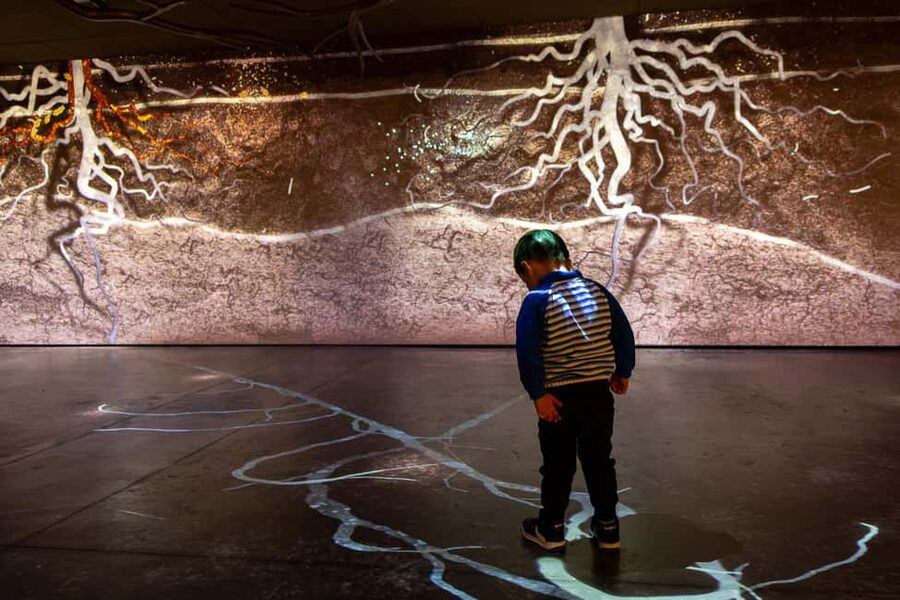
The early part of the visit looks below the surface. Pressoria explains the soil and subsoil that support the vines, then links that underground world to the character of Champagne.
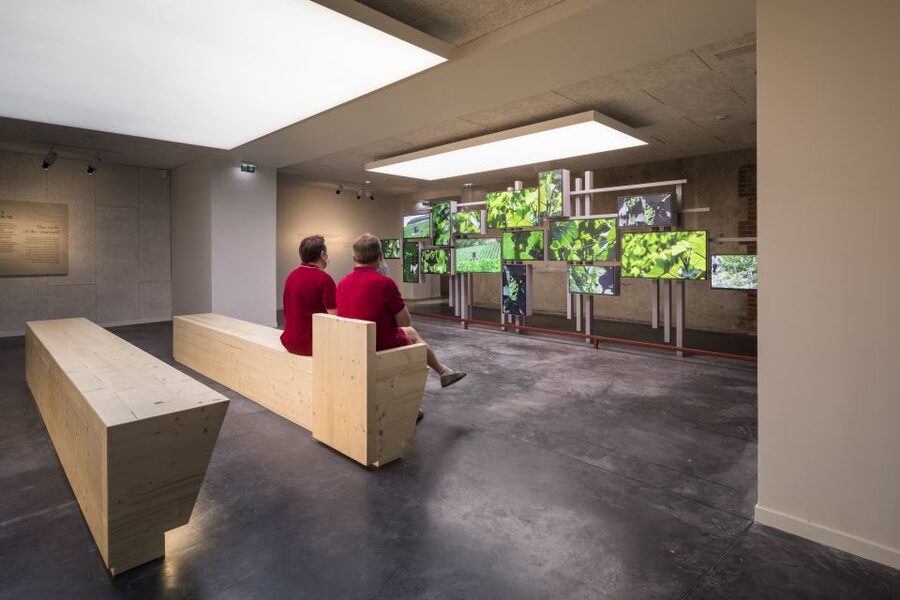
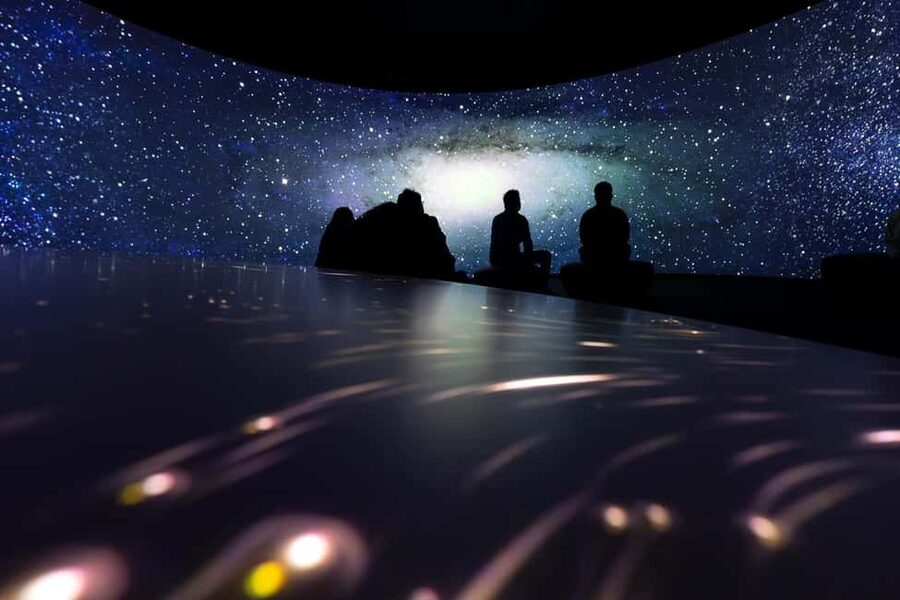
This is one of the most valuable parts for anyone who usually thinks only about the bottle. You begin to see wine as a product of a place, not just a recipe. The museum uses sensory and visual material to make that point easier to grasp, including displays designed to involve touch, sight, sound, smell, and taste.
You might find this section especially helpful if you are new to wine. It gives you a framework for understanding later stages of production. Instead of hearing isolated facts about pressing or fermentation, you can connect each step to the grapes grown in this particular region.
Children have a reason to pay attention here, too. The exhibits are not presented as a long lecture. They invite interaction, which makes the science less intimidating. Adults can read the explanations in more detail while younger visitors explore the hands-on elements.
Still, this is a self-guided museum. If you want every question answered on the spot, you may miss the structure of a live tour. French and English support is available from the host or greeter, but the experience itself is designed for independent exploration.
Picking and pressing the grapes
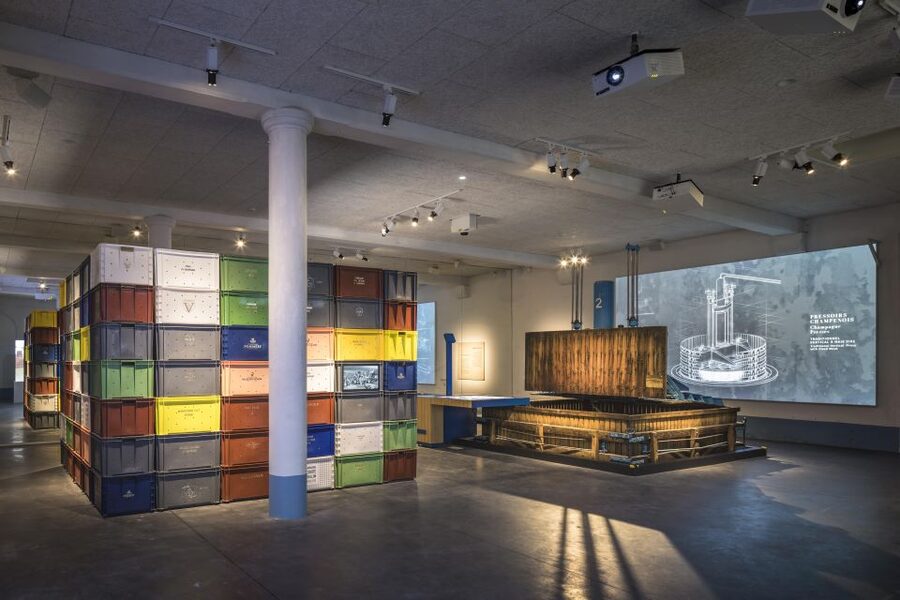
The next stage follows the grapes from the vine to the press. You learn how grapes are picked and how pressing begins the transformation from fruit to wine.
Pressing is easy to overlook when you drink Champagne. At Pressoria, it becomes part of the story rather than a technical footnote. The museum helps you understand that the handling of grapes affects what eventually reaches the bottle.
The interactive format makes this part approachable. You are not expected to arrive with a background in wine production. The displays build the story in order, so you can follow the process even if terms such as pressing and fermentation are new to you.
I like this chronological flow. It keeps the visit clear and prevents the museum from becoming a collection of unrelated facts. Each room answers a basic question: where do the grapes come from, what happens to them next, and how do they become Champagne?
The limitation is that you should not expect to operate a working press or take part in vineyard labor. The supplied details describe educational displays and a vineyard setting, not a hands-on grape harvest. Think of this as a sensory museum, not a production workshop.
More wine tours around France:
- Authentic Parisian Gourmet Food Tour with 10 Local Dishes & Wines
★ 5.0 · 4,754 reviews - Loire Valley Castles Day Trip from Paris with Complementary Wine
★ 4.5 · 3,907 reviews - Bordeaux: Cité du Vin Entry Ticket and Wine Tasting
★ 4.6 · 3,885 reviews - Bordeaux: River Garonne Cruise with Glass of Wine and Canelé
★ 4.5 · 3,630 reviews
Fermentation, aging, and bottling
After pressing, the visit moves into the stages that give Champagne its character. You follow fermentation, aging, and bottling, with the displays showing how each layer of flavor is built.
This is where the museum earns its place beside a traditional Champagne house visit. One visitor described learning more here than in many large Champagne cellar tours, and I can see why the format works. A cellar tour often gives you atmosphere and brand history. Pressoria puts more attention on the process itself.
The museum explains why the drink changes over time and how its final balance develops. You can begin to separate the lively bubbles from the deeper flavors that come from production and aging. The aim is not to turn you into a professional taster in one visit. It is to give you enough context to taste with greater attention.
Technology plays a major role in these rooms. Several of the descriptions highlight tech-driven displays, and that is important if you prefer active learning to long blocks of text. The technology gives the process movement and makes the technical stages easier to picture.
At the same time, technology is a matter of taste. If you prefer historic cellars, old equipment, and a guide telling stories in person, Pressoria may feel less atmospheric than a classic Champagne house. If you want a clear explanation with plenty to do, the museum is likely the better fit.
The tasting: two Champagnes and a vineyard view
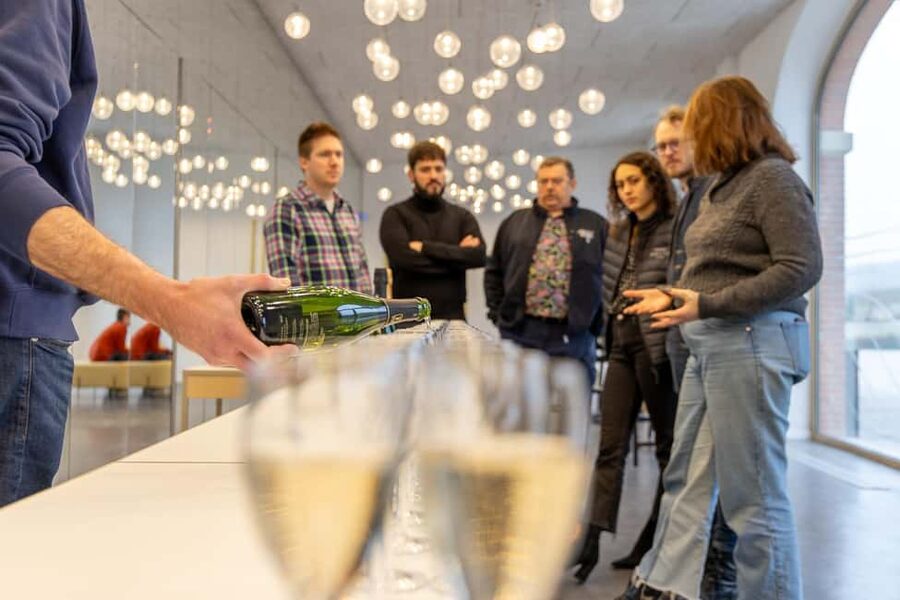
The visit ends with a tasting of two local Champagnes. That is a sensible number. You get enough comparison to notice differences without turning the final stage into a long drinking session.
Pay attention to the bubbles first. Then notice the aroma, acidity, texture, and finish. The museum’s earlier sections give you useful questions to ask of the glass: what might come from the grapes, what reflects the production method, and what changes with aging?
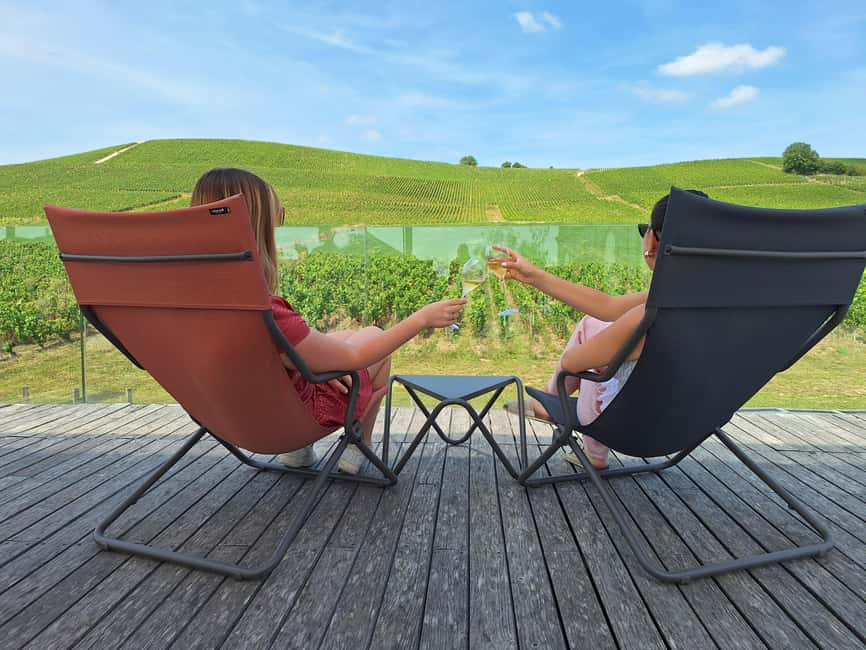
The tasting is often enjoyed on a lovely terrace overlooking the vineyards. That setting adds something real, not just a pretty backdrop. After learning about the soil, vines, and work behind the bottle, you can look out at the source while tasting the result.
You do not need to arrive as a wine expert. The museum is built to help you appreciate Champagne like a local, one sense at a time. The tasting is a chance to use what you have just learned, not a test you can fail.
Food is not included, so plan accordingly. The experience provides the two Champagne samples, but it is not a meal or a full food-and-wine pairing. Also note that the supplied information does not list Champagne bottles for sale at the museum. One visitor specifically wished the site sold Champagne, so you may need another stop if you want to take a bottle home.
How much time and money should you allow?
The listed price is $21 per person, with museum entry, two Champagne tastings, and lockers included. For a self-guided cultural stop in the Champagne region, that is a fair price, especially if you use the exhibits fully and take time for the tasting.
The value is strongest for people who want more than a quick sample. You are paying for a complete explanation of Champagne-making, not simply a glass at a bar. Families may also find the price easier to justify because the interactive displays give children a role in the visit.
The value is weaker if your main goal is an extensive tasting or a guided cellar walk. Only two Champagnes are included, and there is no food or personal guide. A traditional producer visit may be a better choice for someone focused on one house’s cellars and production rooms.
The ticket is valid for one day, and you can check availability for starting times. Since the visit is self-guided, your pace is largely your own. I would avoid squeezing it into a rushed schedule. The museum, tasting, and vineyard setting work best when you leave room to pause.
Free cancellation is available up to 24 hours in advance, and you can reserve now and pay later. Those options help if your Champagne itinerary is still shifting.
Who will enjoy Pressoria most?
I would recommend Pressoria to first-time Champagne visitors who want a clear introduction to the region. It gives you vocabulary and context that can improve later tastings at producers, restaurants, or shops.
Families are another good match. The displays are described as family-friendly, and children can engage with the technology and sensory elements instead of simply following adults through a cellar.
It also suits adults who have already visited a Champagne house but still want the bigger picture. The museum explains the full route from soil to bottle, so it can fill gaps left by a brand-focused tour.
Couples and small groups should enjoy the slower rhythm. You can move independently, compare impressions, and finish with two glasses on the terrace.
I would be more cautious if you want a highly personal experience. There is no named guide or private host leading the visit, and the supplied information identifies the format as self-guided. The French and English host or greeter can help, but the main teaching comes from the exhibits.
The museum is wheelchair accessible. Lockers are included, which is handy if you have bags with you. Food is not included, so combine the visit with a separate meal in your day’s plan.
A simple plan for making the most of your visit
Start with the indoor displays and resist the urge to hurry toward the tasting. The final glasses make more sense after you have followed the story from the subsoil through pressing, fermentation, aging, and bottling.
Use the exhibits actively. Look for links between the senses and the production stages. Notice how the museum explains flavor construction, then test those ideas during the tasting.
Allow time to step outside and enjoy the vineyard view. The outdoor setting is not a separate guided activity, but it gives the museum a stronger sense of place.
If you are visiting with children, let them lead some of the interactive sections while you read the more detailed explanations. This keeps the experience enjoyable for different ages without turning it into a school lesson.
Finally, do not count on buying a bottle at Pressoria. If that matters to you, plan another purchase stop elsewhere in Aÿ-Champagne or the wider region.
Should you book Pressoria?
Book it if you want an accessible, modern explanation of Champagne and a tasting with a view. The strongest parts are the clear soil-to-bottle structure, the five-senses exhibits, the family-friendly design, and the two local Champagnes included in the $21 price.
Skip it if you want a private guide, a large tasting, a meal, or the romance of an old cellar tour above all else. Pressoria is an educational museum rather than a producer visit, but that is exactly why it works well as a first stop in Aÿ-Champagne.
For most visitors with a free day in the area, I would book it and arrive with time to spare. You will leave with a better understanding of what is in your glass, and the terrace tasting gives the lesson a pleasant, peaceful finish.
FAQ
Where is Pressoria located?
Pressoria is in Aÿ-Champagne, in France’s Grand Est region. The meeting point is the Pressoria museum, also called Pressoria, Voyage sensoriel au coeur du Champagne.
Where can I park?
You can park your vehicle on Boulevard Pierre Cheval, then walk to the museum. The provided information also notes that plenty of parking spaces are available around the building.
What does the ticket include?
The ticket includes museum entry, two Champagne tastings, and access to lockers.
Is food included?
No. Food is not included in the ticket.
Is the visit guided?
The visit is self-guided. A host or greeter is available in French and English, but no personal guide is included.
Which languages are available?
The available languages are French and English.
How many Champagnes will I taste?
The ticket includes tastings of two local Champagnes.
Is Pressoria suitable for children?
Yes. The museum has interactive, family-friendly exhibits designed to engage all five senses, and children are specifically able to enjoy the technology-based displays.
Is the museum wheelchair accessible?
Yes. Pressoria is wheelchair accessible.
Can I cancel my booking?
Yes. You can cancel up to 24 hours in advance for a full refund. Reserve-now-and-pay-later booking is also available.
Freshly poured around France
- Private Tasting in Beaune : The Best of Burgundy Wines★ 4.9 · 66 reviews
- Semi Private Solar Boat Cruise in Champagne★ 4.9 · 32 reviews
- Private tour of Paris by Night with Champagne★ 4.7 · 323 reviews
- Montpellier: Pic Saint-Loup Wine Tour★ 4.9 · 290 reviews
- Passy-Grigny: Chocolate and Champagne Tasting Tour★ 4.8 · 284 reviews
- Paris: Wine Tasting Experience with 6 Wines and Cheese Board★ 4.9 · 80 reviews
- Paris: Wine and Cheese Tasting with a Chef Sommelier★ 4.7 · 277 reviews
- Paris: Wine and Cheese Tasting★ 4.6 · 91 reviews
France Wine Tours, side by side.
Authentic Parisian Gourmet Food Tour with 10 Local Dishes & Wines
Read our review →
Loire Valley Castles Day Trip from Paris with Complementary Wine
Read our review →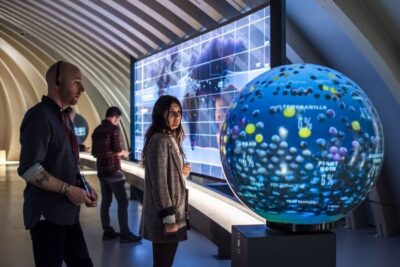
Bordeaux: Cité du Vin Entry Ticket and Wine Tasting
Read our review →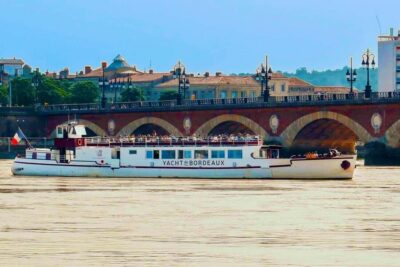
Bordeaux: River Garonne Cruise with Glass of Wine and Canelé
Read our review →
Montmartre Hill French Gourmet Food and Wine Tasting Walking Tour
Read our review →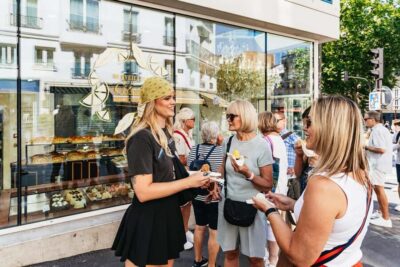
Paris: Montmartre Cheese, Wine & Pastry Guided Walking Tour
Read our review →
Paris 3-Courses Gourmet Dinner Seine River Cruise with Champagne
Read our review →
From Bordeaux: Afternoon Saint-Emilion Wine Tasting & snack
Read our review →Lists this tasting sits in