
Review · MILAN
Milan: Italian Cooking Class with Food and Wine
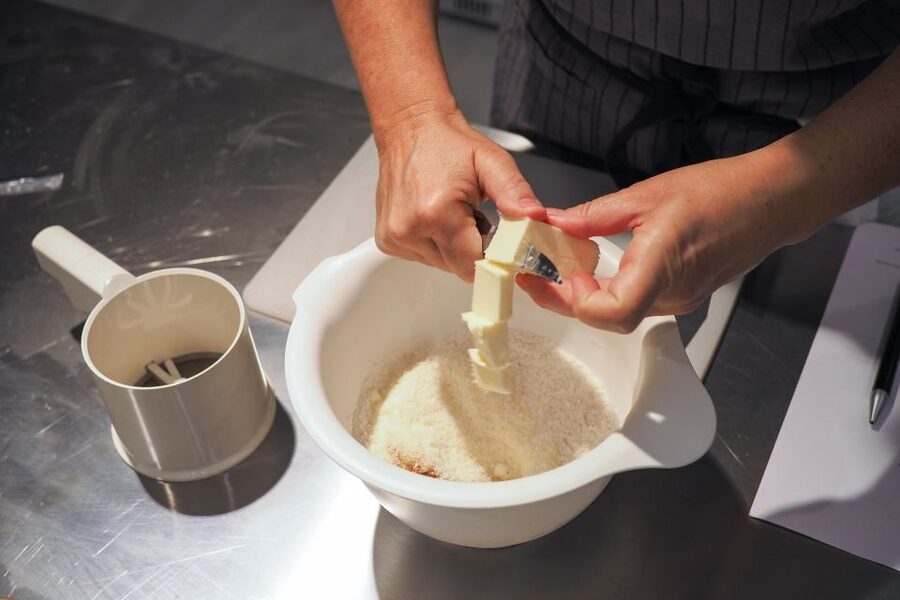
Making fresh pasta by hand is the heart of this three-hour Milan cooking class. At Chef and the City, you work at your own station with an Italian chef, prepare three dishes, then sit down to eat them with wine. Ilaria is often the lead instructor, and Fernando and other team members may assist.
I like the hands-on pasta work, especially the chance to shape tagliatelle, ravioli, or another fresh pasta rather than simply watching a demonstration. I also like the practical teaching: recipes come home with you, and the chef explains why techniques matter, from pasta texture to the proper way to handle classic sauces.
The main thing to consider is that the exact menu can change. You may make bruschetta, pasta, and biscotti, or gnocchi, tiramisù, and another dish. Some sauces are prepared in advance because they take too long to cook within three hours, so this is a practical workshop, not a full start-to-finish lesson for every component.
Key Points
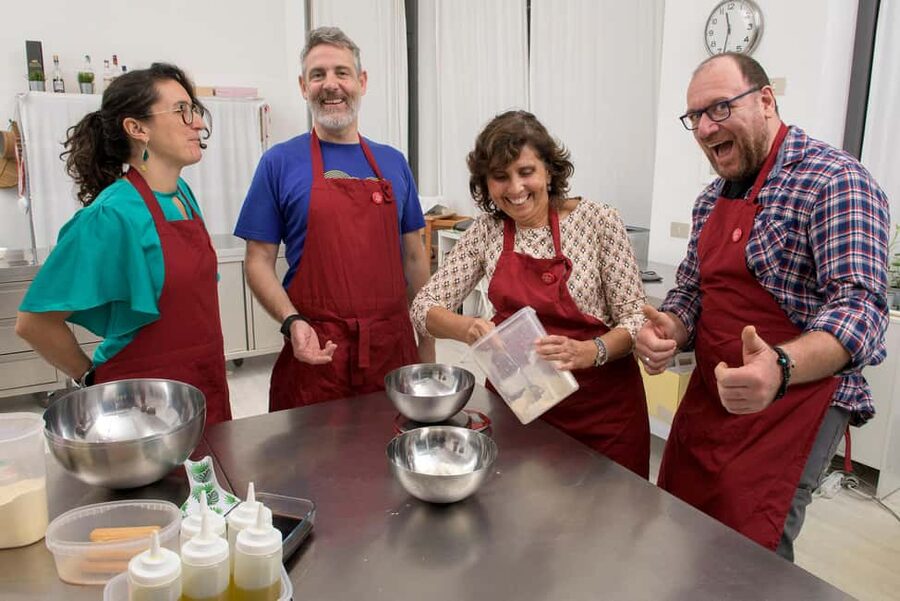
- Fresh pasta is the main event: Roll and shape pasta at your own work station, with guidance from the chef.
- Three dishes in three hours: Menus vary, but may include bruschetta, ravioli, gnocchi, tagliatelle, tiramisù, biscotti, or strudel.
- Ilaria brings the personality: Her teaching combines cooking technique, Italian food traditions, humor, and firm opinions about classic recipes.
- The meal is part of the class: After cooking, you sit together and eat the food you made with red or white wine.
- Useful for home cooks: You receive the recipes, including sauce recipes, and learn methods that work beyond the class.
- Practical limits: Children under 10, pets, smoking, large bags, and visitors with mobility impairments are not accommodated.
What Happens at Chef and the City
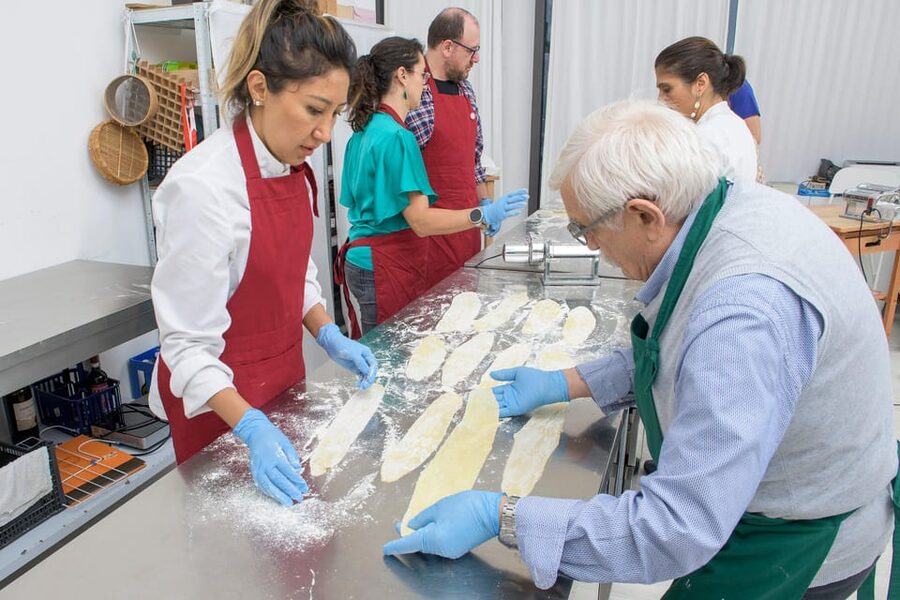
The class takes place at Chef and the City, a street-level shop with three large windows and red signs above them. When you arrive, ring the bell at the main windowed door. The setting is a professional cooking lab, so it feels more like a working kitchen than a restaurant where you simply watch a chef perform.
You receive an apron and gloves, and cooking tools and food are supplied. Each person works from a personal station, which matters because you are not standing behind a crowd trying to see one cutting board. The setup also makes the class suitable for beginners who want direct help with dough, shaping, mixing, and preparation.
The class is conducted in English or Italian. Ilaria is often praised for clear explanations, energy, and humor, while Fernando and other assistants may help organize ingredients and tools. The teaching style is friendly but not loose: you are expected to follow kitchen rules and keep the work area safe.
Those rules are simple. Tie back long hair, do not eat or drink while cooking, and do not taste ingredients during preparation. You can take photographs and videos, but large bags and luggage are not allowed in the kitchen.
More wine tours around Milan:
- Milan: Pasta and Tiramisu Cooking Class with Wine
★ 4.8 · 1,106 reviews - Gnocchi, Pasta, Tiramisù and Wine Class
★ 5.0 · 691 reviews - Small-Group Barolo Wine Tasting, Alba & UNESCO Piedmont Hills
★ 5.0 · 689 reviews
The Three-Course Menu Can Change
The menu is one of the appealing parts of this class, but it is also the area where you need realistic expectations. The published choices include a long list of Italian staples: tagliatelle, gnocchi, ravioli, cacio e pepe, ragù, focaccia, eggplant parmigiana, bruschetta, and tiramisù.
You will usually prepare an appetizer, a main dish, and a dessert, but the exact combination depends on the session. One class may include bruschetta, handmade tagliatelle, and biscotti or cantucci. Another may feature gnocchi, tiramisù, and bruschetta. Ravioli, strudel, apple desserts, and different pasta shapes also appear in the class rotation.
That variety is good if you are visiting Milan once and want a broad taste of Italian cooking. It is less ideal if you book with one precise dish in mind. If learning gnocchi or tiramisù is essential to your plans, confirm the menu before booking rather than assuming every advertised dish appears in every session.
The work itself is active. You might chop ingredients for bruschetta, mix and knead pasta dough, roll it through a pasta machine, shape the noodles, or form filled pasta by hand. For dessert, the class may focus on mixing, layering, shaping, or baking rather than giving you a separate pastry course.
Why the Pasta Lesson Matters
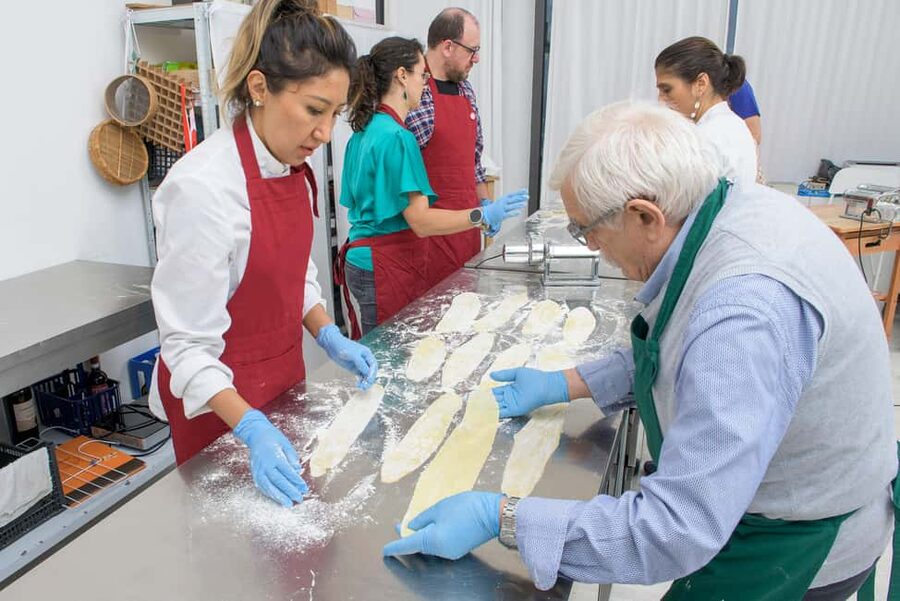
Fresh pasta is where this experience earns its place among Milan activities. Dried pasta is easy to buy, but making fresh dough teaches you to judge texture with your hands. You learn how the dough should feel, how thin to roll it, and how to work with a pasta machine.
The class may cover tagliatelle, ravioli, or another shape. That keeps the lesson lively, and it gives you a skill you can repeat at home with basic ingredients. Several people leave feeling ready to buy or use a pasta maker, though the recipes and methods are still useful if you roll the dough by hand.
The filled pasta lesson can be especially satisfying because small changes in filling, sealing, and cooking affect the result. You may not get a full lesson in every possible pasta shape, but you do get the feel of the process, which is more useful than memorizing a recipe without understanding the dough.
One helpful feature is the chef’s attention to mistakes. Ilaria is described as willing to correct errors while keeping the mood relaxed. That is valuable for beginners. Pasta dough can look simple until it sticks, tears, dries out, or comes out too thick.
Sauces, Timing, and Italian Food Rules
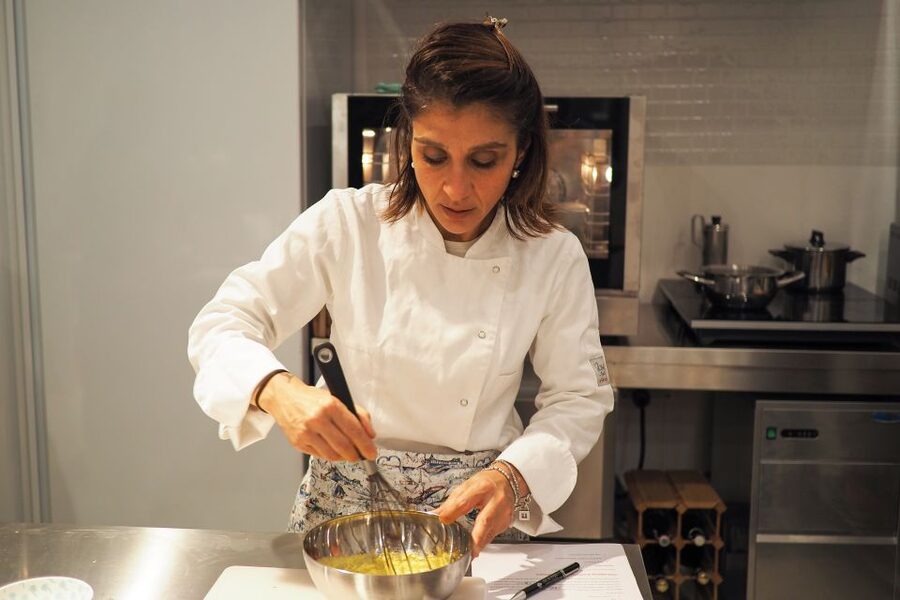
A three-hour class cannot fully prepare every slow-cooked element from raw ingredients. This is most obvious with ragù and some other sauces. In at least one menu, the chef supplied homemade ragù and cacio e pepe sauce for the pasta, while explaining the recipes so participants could make them at home.
That may disappoint you if you want to cook every sauce from start to finish. On the other hand, it keeps the class moving and gives you time to learn pasta-making, which is the more hands-on skill. You still receive the sauce recipes and hear the reasoning behind the method.
The chef also uses food traditions as teaching tools. One memorable lesson concerns carbonara: classic Roman carbonara does not use cream or bacon. Pancetta or guanciale is the traditional direction, and adding cream changes the dish enough that it should not be called classic carbonara.
You do not have to agree with every Italian food rule to benefit from this approach. The point is to understand what makes a dish recognizable, then adapt it at home if you wish. The chef’s firm opinions add humor and give the class a strong sense of culinary identity.
Same vines, another glass to try:
- Milan Urban Winery: Taste & Tour at Cantina Urbana
★ 4.7 · 683 reviews - Milan: Pasta Class with Gelato or Tiramisù & Unlimited Wine
★ 4.9 · 233 reviews - Milan: Pasta, Gnocchi and Tiramisù Cooking Class with Wine
★ 5.0 · 117 reviews - Milan: Wine Tasting Experience in the City Centre
★ 4.5 · 113 reviews
Snacks Before the Meal
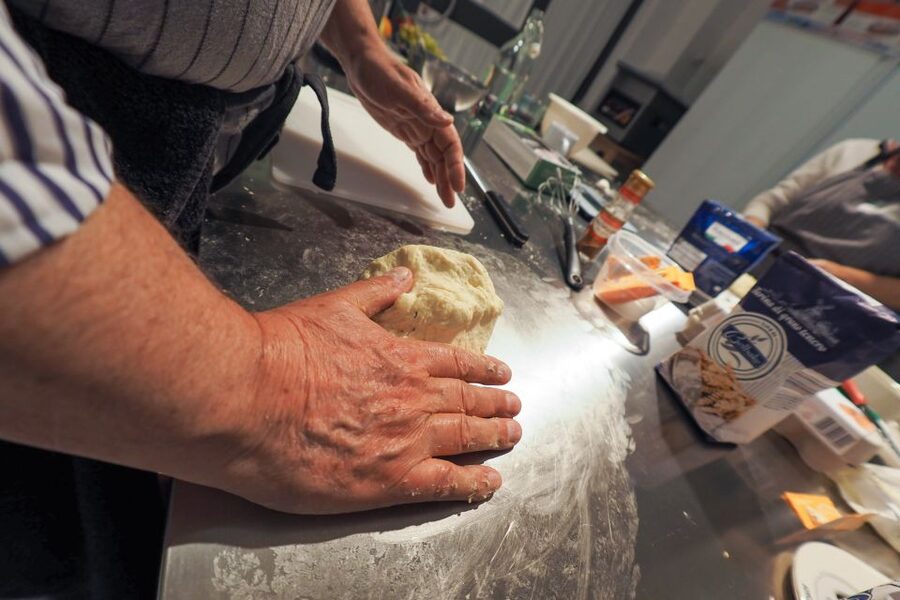
While you work, the kitchen provides light snacks and drinks for pauses. These may include cheese, sun-dried tomatoes, mortadella, olives, cookies, biscuits, and candies. Coffee, tea, infusions, and water are also available.
Some sessions include an antipasti selection before the main cooking begins. This is a pleasant way to settle into the room, especially if you arrive hungry, but the snacks are not the main meal. You should think of them as small bites during a busy workshop.
The kitchen rules mean you cannot casually eat and drink at your station while handling food. You may be asked to wait until a preparation step is complete. That is sensible in a professional lab, but it is worth knowing if you expect a free-flowing wine-and-cooking evening from the first minute.
Sitting Down to Eat What You Made
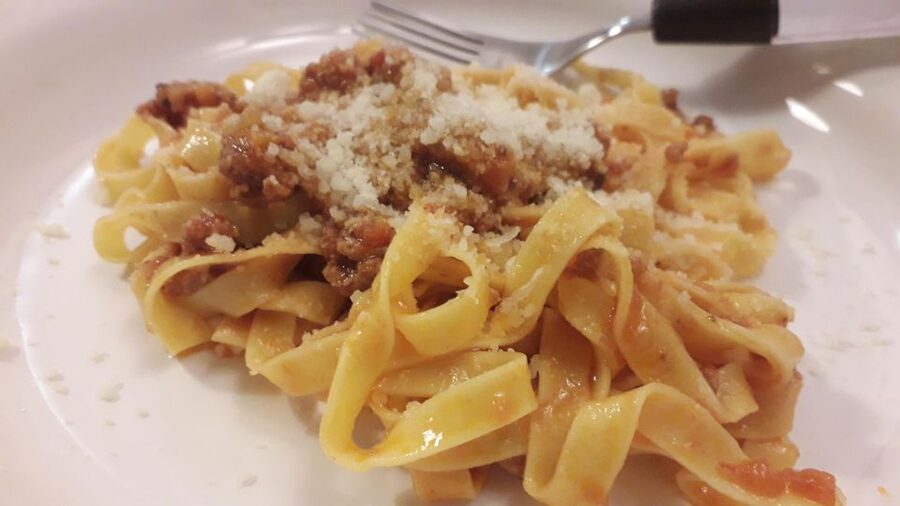
After the practical work, the pace changes. You sit together in the dining area and eat the dishes prepared during the class. This shared meal gives the experience a social finish and lets you taste the result while the techniques are still fresh in your mind.
Wine is included, usually both red and white. You can chat with people from different countries, compare your pasta shapes, and ask follow-up questions while eating. The social element is a real part of the value, particularly if you are traveling alone.
The meal also helps you judge the class honestly. You are not simply taking home a recipe sheet and hoping the food works later. You taste the final dishes, see how the pasta holds sauce, and understand how the appetizer and dessert fit into a complete meal.
The amount of wine can make the evening more festive, but pace yourself. You still need to make food first, and the class includes knives, hot cooking equipment, and careful preparation. The kitchen remains the priority until the work is finished.
The Recipes You Take Home
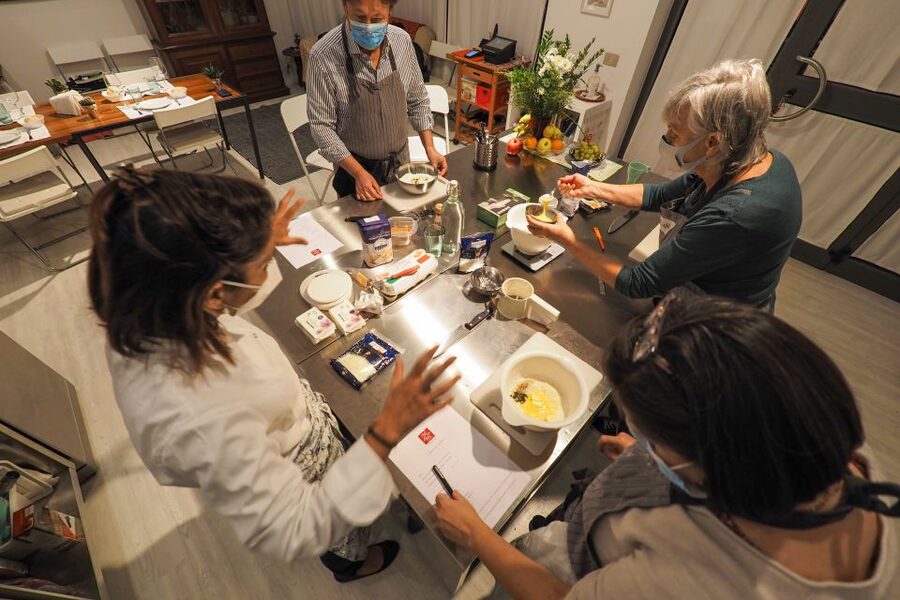
You receive copies of the recipes used in the class. This is one of the strongest practical features because the value continues after your time in Milan.
The recipes are intended to be manageable at home, not just professional formulas. You can recreate fresh pasta, bruschetta, dessert, and the accompanying sauces. The chef also shares tips about ingredients, texture, timing, and common mistakes, which can matter more than the ingredient list itself.
If you are new to Italian cooking, write down extra notes while the chef demonstrates. The printed recipes give you the structure, but the spoken advice explains details such as how dough should feel or how a sauce should coat pasta.
Do not expect the class to turn you into a professional chef in three hours. It will, however, give you a better starting point than a standard restaurant meal and a souvenir cookbook.
Is the $80 Price Fair?
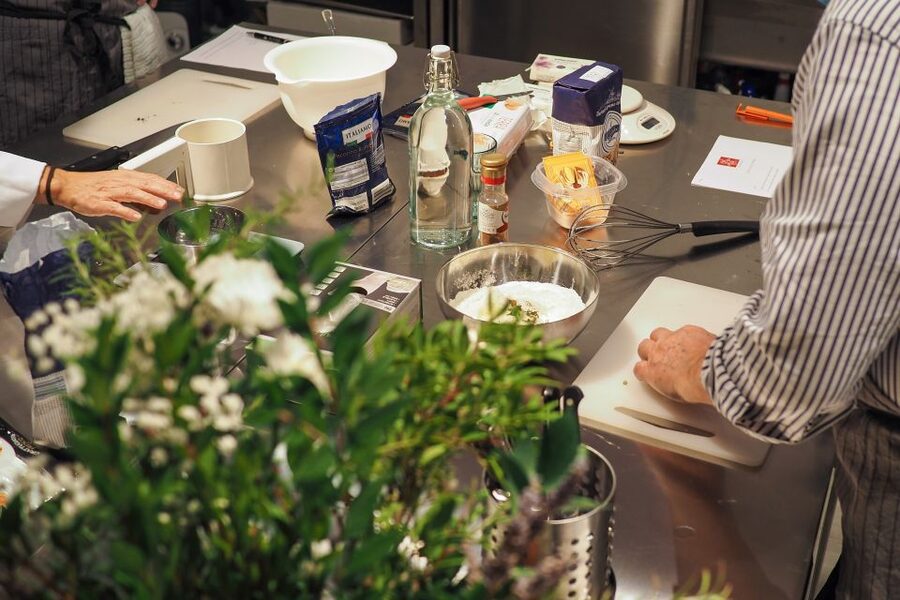
At $80 per person, the price is reasonable for a three-hour class that includes food, wine, equipment, apron, gloves, instruction, and the recipes. You are also paying for a prepared meal, not only for a demonstration.
The strongest value comes if you take the recipes home and use them. A pasta lesson followed by dinner can be costly if you never cook again, but it becomes a good investment if you repeat the dishes for family or friends. The class also saves you from buying separate ingredients, tools, and wine during your stay.
The price is less compelling if you want a very formal culinary school lesson, a private class, or a fixed menu built around one specific dish. This is a social group workshop with a changing menu. Its strengths are access, participation, personality, and a satisfying meal.
With a rating of 4.7 from 509 ratings, the experience has a strong record. I would still read the menu as flexible rather than guaranteed, especially if you are booking for a dish such as gnocchi or tiramisù.
Who Should Book This Milan Cooking Class?
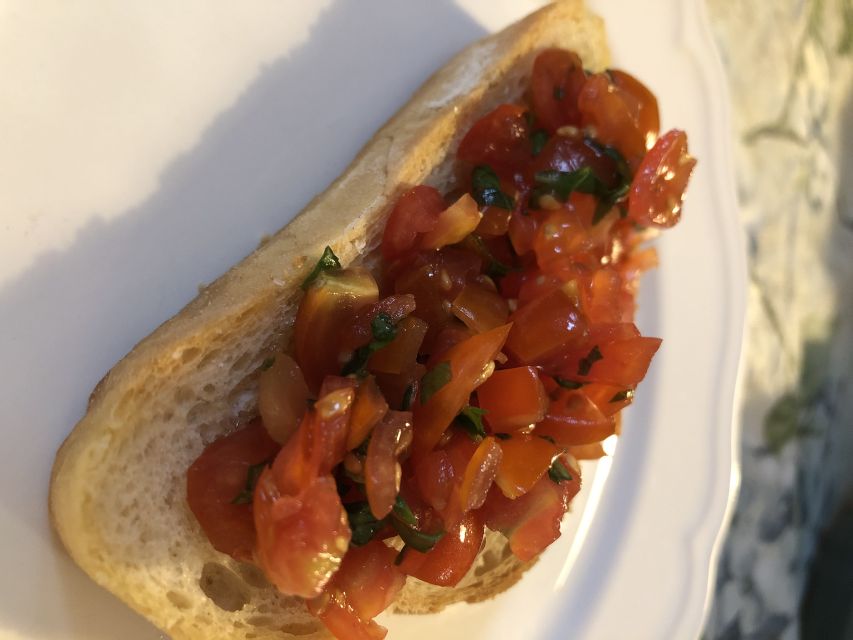
I would recommend it to first-time pasta makers, couples, solo visitors, families with older children, and anyone who wants an evening activity that mixes food with conversation. The class is suitable for beginners, but more experienced home cooks can still pick up useful pasta and sauce techniques.
It also works well for solo travelers. The personal work stations give you something to do immediately, and the shared meal creates an easy way to meet people without forcing conversation from the start.
The class is not suitable for children under 10 or people with mobility impairments. Pets are not allowed, and smoking is prohibited. Large bags and luggage must stay elsewhere, so arrive without your suitcase or day pack if possible.
Dietary needs may be accommodated in some cases. A gluten-free participant joined in fully after the team made suitable arrangements, and food restrictions were taken into account in another session. Still, contact the provider before booking rather than relying on an adjustment at the door.
Planning Your Three Hours
Allow the full three hours. The session includes introductions, preparation, pasta work, cooking, and the sit-down meal, so arriving late can affect your ability to follow each step. The shop is easy to identify by its street-level windows and red Chef and the City signs.
Wear clothing suitable for a kitchen and tie back long hair. Since large luggage is not permitted, plan your route so you are not carrying bags from a train station or hotel. The experience does not include private transportation or luggage storage.
Cancellation is flexible up to 24 hours before the start time for a full refund. You can also reserve and pay later, which helps if your Milan schedule is still changing.
Should You Book It?
Book this class if you want to make real food with an Italian chef, eat the result, and take practical recipes home. The pasta work, lively instruction from Ilaria, included wine, and social meal make the $80 price fair for most visitors.
Skip it if you need a private lesson, guaranteed dishes, or complete control over every sauce from raw ingredients to final plate. For everyone else, this is a useful and cheerful way to spend three hours in Milan, with enough technique to keep cooking after the holiday ends.
FAQ
How long does the Milan cooking class last?
The cooking class lasts three hours, including preparation, cooking, and the shared meal with wine.
How much does the class cost?
The price is $80 per person.
What dishes will I make?
The menu can change. Possible dishes include tagliatelle, gnocchi, ravioli, bruschetta, focaccia, eggplant parmigiana, tiramisù, biscotti, strudel, cacio e pepe, and ragù. The class generally includes three dishes.
Is wine included?
Yes. Wine is included, and sessions may offer both red and white wine.
Are recipes provided after the class?
Yes. You receive copies of the recipes so you can prepare the dishes at home.
Is the class taught in English?
Yes. The host or greeter can speak Italian and English.
Are children allowed to attend?
Children under 10 are not permitted to join the activity.
Can I bring luggage or a pet?
No. Pets, smoking, luggage, and large bags are not allowed in the cooking lab.
Freshly poured around Milan
- Pizza and Tiramisu Cooking Class with Wine in Milan★ 4.9 · 80 reviews
- Milan: Wine Tasting Experience in the City Centre★ 4.5 · 113 reviews
- Milan Wine Tasting Aperitivo★ 4.4 · 31 reviews
- Milan: Pasta Class with Gelato or Tiramisù & Unlimited Wine★ 4.9 · 233 reviews
- Milan: Pasta, Gnocchi and Tiramisù Cooking Class with Wine★ 5.0 · 117 reviews
- Milan: Small Group – Duomo & Rooftop, Wine & Food Tasting★ 5.0 · 27 reviews
- Milan: History & Street Food Tour with Wine Tasting★ 4.9 · 30 reviews
- Milan: Food and Wine Experience★ 4.5 · 30 reviews
Milan Wine Tours, side by side.
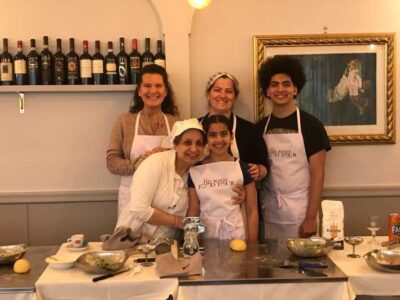
Milan: Pasta and Tiramisu Cooking Class with Wine
Read our review →

Small-Group Barolo Wine Tasting, Alba & UNESCO Piedmont Hills
Read our review →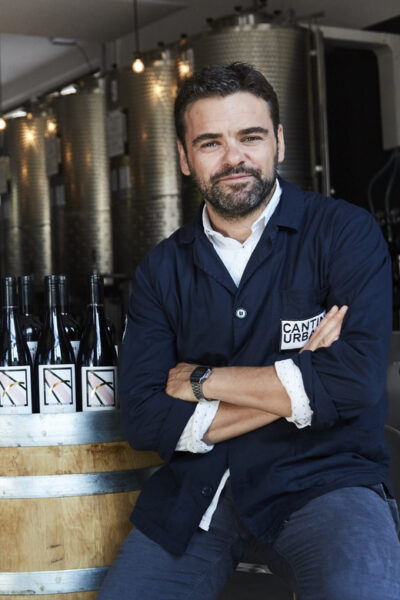
Milan Urban Winery: Taste & Tour at Cantina Urbana
Read our review →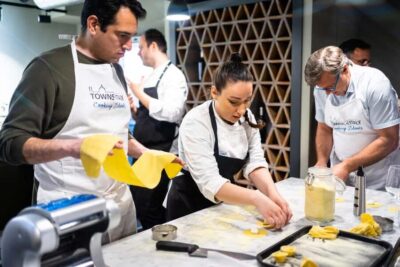
Milan: Pasta Class with Gelato or Tiramisù & Unlimited Wine
Read our review →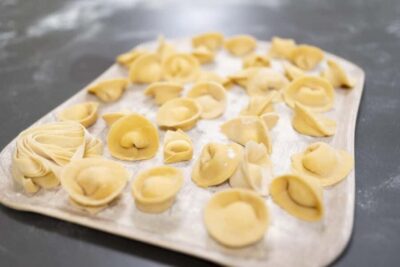
Milan: Pasta, Gnocchi and Tiramisù Cooking Class with Wine
Read our review →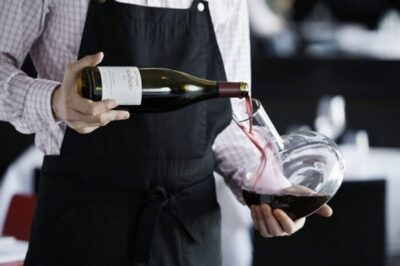
Milan: Wine Tasting Experience in the City Centre
Read our review →
Pizza and Tiramisu Cooking Class with Wine in Milan
Read our review →Lists this tasting sits in