
Review · LISBON
Lisbon: Premium Port Wine Tasting & Tapas
The best thing about this Lisbon tasting is its focus on small-production Port rather than only the famous supermarket names. In two hours, you move through white, ruby, and tawny styles while a local sommelier explains what separates a pleasant bottle from a truly good one.
I like the generous food pairings, especially the 38-month Pata Negra ham and long-cured Portuguese cheeses. I also like the intimate setting and the chance to ask direct questions. The main consideration is the price: at $104 per person, this is a serious tasting rather than a quick tourist stop, and anyone who does not enjoy wine or cured meats may find the cost hard to justify.
Key points before you book
- Five Port styles in one sitting: Taste white, ruby, and tawny Ports, with several examples within those broad categories.
- Small-house bottles: The selection goes beyond the biggest commercial producers and introduces lesser-known Portuguese makers.
- Substantial food pairing: Expect artisanal cheeses, Iberian pork charcuterie, bread, oils, and long-cured Pata Negra ham.
- English-speaking instruction: Sommeliers explain production, tasting, and buying tips in English.
- An intimate wine-center setting: The experience takes place at Lisbon Winery – The Tastings, with a relaxed atmosphere rather than a large bus tour feel.
- Flexible booking: You can cancel up to 24 hours before the start for a full refund and reserve without paying immediately.
Why this Port tasting is more useful than a quick glass
Port can seem simple until you face a wine list filled with unfamiliar terms. Ruby, tawny, white, aged, sweet, dry, young, old: it is easy to order whatever has the most familiar label and miss the styles that suit you best.
This tasting gives you a practical framework. Instead of hearing a long lecture before drinking anything, you taste five Ports and compare them as you go. That matters because Port’s differences become clearer in the glass. A ruby may feel fruitier and more direct, while a tawny can seem smoother and more shaped by time in wood. White Port gives you another angle, particularly if you usually associate Port only with dark, sweet wines.
I like this format for a first introduction because it connects facts to your own palate. You are not asked to memorize wine terms. You can ask why one Port tastes fresher, nuttier, fruitier, or more intense, then use that answer the next time you shop.
The provider has offered Port tastings since 2015, and the session is led by an English-speaking local sommelier. Alex is one of the named guides associated with the experience, and the teaching style described by the operation centers on storytelling, production methods, and open questions. The aim is not simply to pour five wines. It is to help you understand what is in your glass.
More Wine Tastings in Lisbon
- Private Wine Tasting in the Setúbal Wine Region, from Lisbon
★ 5.0 · 611 reviews - Arrabida and Sesimbra Small-Group Day Trip from Lisbon with Wine Tasting
★ 5.0 · 494 reviews - Lisbon: 1-Hour Portuguese Wine Tasting Session
★ 4.6 · 368 reviews
Starting with small producers instead of familiar labels
The selection is one of the strongest reasons to choose this experience. The sommeliers seek out small-house Ports outside the biggest commercial circuit, which gives you a better chance of tasting bottles you might not encounter in a standard bar or hotel tasting.
That does not automatically mean every wine will suit you. Small production is not the same thing as personal taste. Still, the approach gives the session a sense of discovery and helps explain why Port is more varied than its tourist-shop image suggests.
You will taste five Ports in total. The precise order and labels can change, so you should not book expecting five specific brands. What is fixed is the broad coverage of white, ruby, and tawny styles.
A well-run tasting normally benefits from progression. Lighter or fresher wines can help prepare your palate before richer pours arrive, while a more mature tawny may make a useful comparison with a younger ruby. The sommelier can point out these contrasts and explain how production and aging affect the result.
This is also where the buying advice becomes useful. You learn how to choose a good Port without relying only on a famous name or an expensive price tag. For anyone planning to take a bottle home, that lesson may be worth as much as the tasting itself.
White, ruby, and tawny Port in one sitting
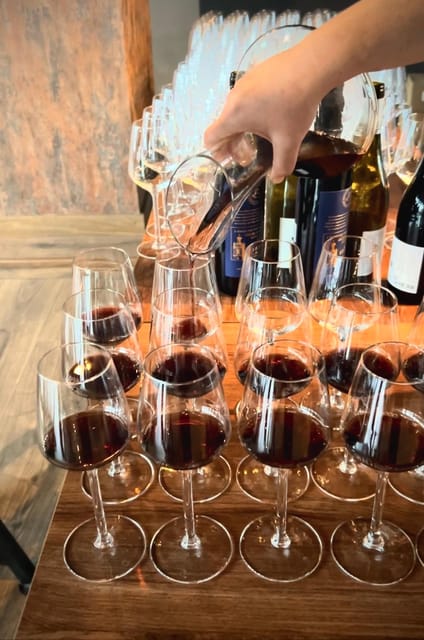
The three main styles provide the backbone of the experience.
White Port is often the surprise for people who know only the dark varieties. It can be fresh and lighter in feel, though styles vary. The tasting gives you a chance to see how white Port works as a drink in its own right rather than treating it as a minor side category.
Ruby Port usually offers the most direct fruit character among the main styles. It is a useful reference point because its color and fullness make the contrast with white Port easy to notice. Your sommelier can also explain how the style is made and what to look for when comparing bottles.
Tawny Port brings the effect of time and wood into the conversation. It can show softer, more developed flavors and a different texture from ruby. This is often the style that changes a visitor’s idea of what Port can be.
The value here is comparison. A single glass tells you what one producer makes. Five glasses across several types help you build a map. You leave with a better idea of what you like, which is especially helpful if you want to order Port after dinner or buy a bottle in Portugal.
The pours are described as generous, but Port is strong and sweet. Five samples can add up quickly, particularly when paired with food. Pace yourself, sip water when available, and treat the tasting as a meal-length event rather than a race through the glasses.
Cheese, charcuterie, and the 38-month ham
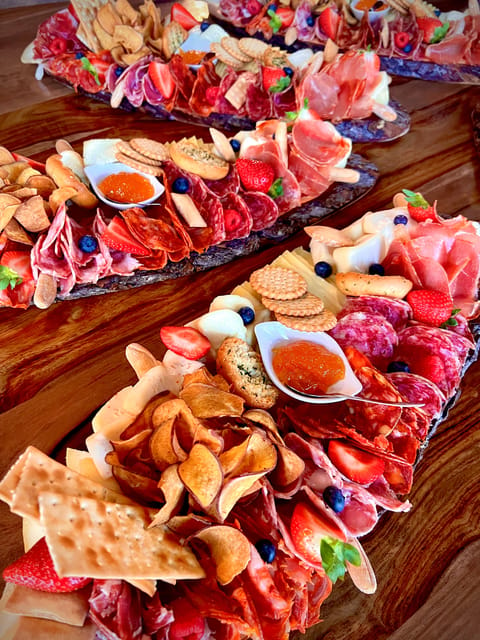
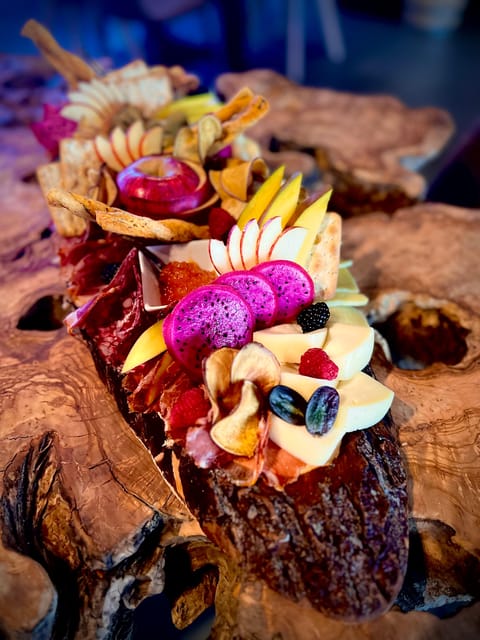
The food is not an afterthought. The tasting includes a board of artisanal Portuguese cheeses and Iberian pork charcuterie, with products sourced directly from producers. You can expect bread and other accompaniments, and the food portion is substantial enough to make the session feel closer to a light meal than a few token bites.
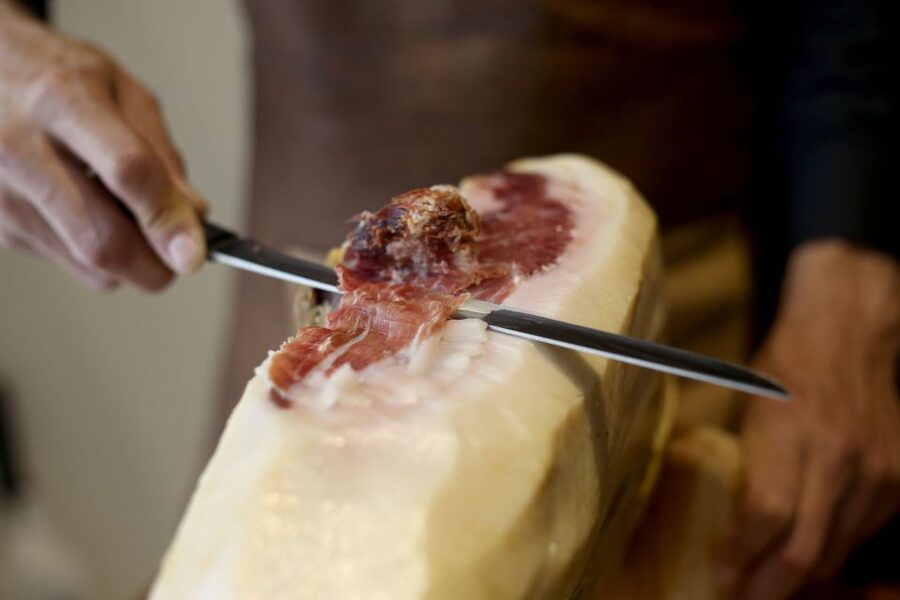
The most distinctive item is the long-cured Pata Negra ham, aged for 38 months. That is a useful detail when comparing this experience with cheaper wine tastings that offer only crackers or a few olives. The ham’s salty, savory character provides a strong counterpoint to sweet Port.
The cheeses are selected to work with the wines rather than simply fill the board. Long-cured cheeses can bring salt, firmness, and a concentrated taste that balances Port’s sweetness. As you move between cheese and wine, you can see why pairing matters. A wine that seems too sweet by itself may feel more balanced alongside salty or aged food.
I particularly like this aspect for couples or friends with different levels of wine interest. One person can focus on the Port while another enjoys the cheese and charcuterie. It also gives the sommelier more to discuss, since pairing is a practical skill you can use at home.
A gluten allergy was accommodated during one session, but you should raise any dietary need before booking. The standard food offering includes bread and cured meats, and the available information does not promise a full alternative menu for every restriction.
More Wine Tastings in Portugal
- From Lisbon: Évora and Monsaraz with Regional Wine Tasting
★ 4.7 · 345 reviews - From Lisbon: Arrábida Day Tour & Wine Tasting
★ 4.9 · 182 reviews - Lisbon: Sintra, Pena Palace & Wine Tasting Small-Group Tour
★ 4.9 · 156 reviews - Lisbon: Guided Port Wine Tasting Apéritif/Digestif
★ 4.7 · 152 reviews
The possible olive oil bonus
Some sessions have also included a tasting of Portuguese olive oils, with one account describing three oils alongside the Port and food. This can add another local flavor lesson, especially if you enjoy comparing oils from different producers.
Do not treat the olive oil tasting as one of the guaranteed core inclusions. The listed package specifically promises five Ports, artisanal cheese, Iberian charcuterie, long-cured Pata Negra ham, and expert commentary. Olive oil appears to be an occasional addition rather than the central product.
That distinction matters because the $104 price should be judged against what is consistently included. The Port selection and food board are the firm basis for the value, while extra oils may be a welcome surprise.
A relaxed setting with room for questions
The tasting takes place at a top wine-tasting center operated by Lisbon Winery – The Tastings. The atmosphere is intended to be stylish and comfortable, but the real advantage is the small-group format and direct contact with the sommelier.
You are not simply handed a flight and left to read a card. You can ask how Port is made, why one style tastes different from another, and how to choose a bottle. The guides also explain the background and production process, which helps turn the tasting into a short lesson in Portuguese wine.
The atmosphere seems especially suited to conversation. Several descriptions of the experience point to a private or intimate feel, and that can make a difference when you are unsure what to ask. A large group often encourages people to listen quietly and move on. A smaller setting gives you more freedom to say, I do not understand why this one tastes different, and get a useful answer.
The exact group size is not provided, so I would not book expecting a guaranteed private tasting. The experience is described as small-group, not one-to-one. If privacy is essential, check the current booking details before paying.
Is $104 a fair price?
At $104 per person for two hours, this is not the cheapest way to sample Port in Lisbon. You can find a single glass for far less. The question is what you want from the outing.
The price includes five Ports, a food board with high-quality cheese and charcuterie, long-cured Pata Negra ham, and guided instruction. If you would otherwise pay separately for a good meal, several glasses of Port, and a professional tasting, the total becomes easier to understand.
The value is strongest for three types of people:
- You want to learn how to choose Port, not simply drink it.
- You enjoy premium cheese and cured ham as much as wine.
- You prefer a calm indoor activity with direct instruction.
The value is weaker if you only want a quick sample, dislike sweet wines, or would rather spend $104 on a full restaurant dinner. Five Port samples also mean that the experience is more about comparison than quantity. You are paying for selection, food, and explanation, not a night of unlimited drinking.
The high overall rating and many five-star responses suggest that the combination of teaching, atmosphere, and food has worked very well for past customers. Still, ratings cannot predict your palate. Port is a particular style, and anyone who prefers dry table wine should make sure the format appeals before booking.
Who will enjoy this most?
I would recommend the tasting to first-time Port drinkers who want an organized introduction. It is also a strong choice for people who already enjoy fortified wine but want to compare small producers and styles in one place.
Food lovers have plenty to enjoy here. The cheese and ham are not filler, and the 38-month Pata Negra is a memorable part of the offering. If your ideal Lisbon afternoon includes sitting indoors with a board of Portuguese products and a patient guide, this fits well.
The experience also works for couples and small groups looking for something quieter than a crowded bar. It does not depend on good weather, and the two-hour length leaves room for another Lisbon activity afterward.
I would be more cautious about booking it for children or anyone who does not drink alcohol. The available information describes a wine-centered session, not a family activity or a nonalcoholic tasting. Likewise, anyone with strict dietary restrictions should ask ahead rather than assume the standard board can be changed.
English is the stated language, so this is most suitable if you are comfortable learning about wine in English. The guides use explanation and conversation, and much of the value comes from being able to ask questions.
Practical details worth knowing
The tasting lasts two hours, with starting times based on availability. That length is enough to cover five wines without forcing the session into a rushed half-hour flight.
You can reserve now and pay later, which helps if your Lisbon schedule is still moving around. Cancellation is free up to 24 hours in advance for a full refund. Those terms are useful, but check the booking page for the exact start time and current conditions before confirming.
Bring an appetite for salty foods and an open mind about Port styles. You do not need prior wine training. In fact, the experience is most useful when you arrive willing to compare what you taste rather than trying to sound like an expert.
If you want to remember the wines, make a quick note of the styles you prefer. Ask the sommelier which bottle best matches your taste and where you might find something similar. That turns the session into advice you can use for the rest of your Portugal trip.
Should you book the Lisbon Port tasting?
Book it if you want a serious but friendly introduction to Port, especially one built around small producers, generous food pairings, and an English-speaking sommelier. The combination of five styles, artisanal cheese, Iberian charcuterie, and 38-month Pata Negra gives the two hours real substance.
Think twice if $104 feels high for a tasting, if you prefer dry wine, or if you are mainly looking for a fast drink before dinner. For everyone else, this is one of the better ways to understand Port in Lisbon without traveling to the Douro Valley. You leave with a clearer palate, a fuller stomach, and a much better idea of what to order next.
FAQ
How long does the Port tasting last?
The experience lasts two hours.
How many Port wines will I taste?
You will taste five Port wines.
Which types of Port are included?
The tasting includes white, ruby, and tawny Ports.
Is the tasting held in English?
Yes. English is the stated language, and an English-speaking Port expert leads the session.
What food is included?
The package includes artisanal Portuguese cheeses, Iberian pork charcuterie, and long-cured Pata Negra ham. Bread and oils may also be served with the board.
Is olive oil tasting included?
Olive oil tasting has been offered during some sessions, but it is not listed among the core inclusions. The guaranteed inclusions are the five Ports, cheese, charcuterie, Pata Negra ham, and expert commentary.
Can I cancel the booking?
Yes. You can cancel up to 24 hours in advance for a full refund. You can also reserve now and pay later.
More Port lodge tastings around Lisbon
- Lisbon: Live Fado Show with Port Wine at Lisboa em Fado
★ 4.7 · 5,097 reviews - Lisbon: Live Fado Show in Historic Alfama with Port Wine
★ 4.8 · 572 reviews - Porto: Live Fado Show with Glass of Port Wine
★ 4.8 · 6,498 reviews - Porto: Bridges Cruise & Sunset & Port Wine Cellar Option
★ 4.2 · 4,180 reviews
Freshly poured around Lisbon
- Lisbon: Sunset Sailing with Portuguese Wine and History★ 5.0 · 270 reviews
- Lisbon: Sunset Sailing Boat Cruise with Wine★ 5.0 · 75 reviews
- Lisbon Small-Group Food & Wine Tour Eat & Drink like a Local★ 4.9 · 77 reviews
- Lisbon: Sintra, Pena Palace & Wine Tasting Small-Group Tour★ 4.9 · 156 reviews
- Lisbon: Sailboat Tour w/ Local Guide and Open Bar Green Wine★ 4.9 · 625 reviews
- Lisbon Private Setúbal Region Wine Tasting Tour★ 4.9 · 149 reviews
- Lisbon: Private Sunset Sailing Tour with Champagne★ 5.0 · 114 reviews
- Lisbon: Boat Tour with Champagne★ 4.8 · 79 reviews
Lisbon Wine Tours, side by side.
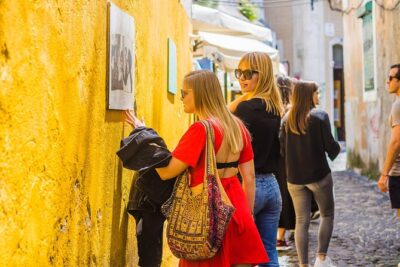
Winner 2025 Undiscovered Lisbon Food & Wine Tour by Eating Europe
Read our review →
Lisbon: Live Fado Show with Port Wine at Lisboa em Fado
Read our review →
Lisbon: Food and Wine Small Group Walking Tour
Read our review →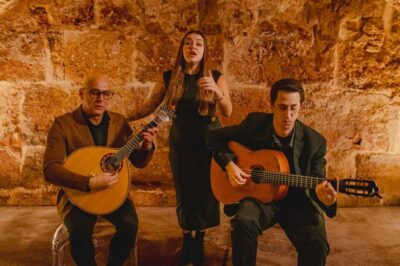
Lisbon: Fado Show and Wine inside Medieval Walls
Read our review →
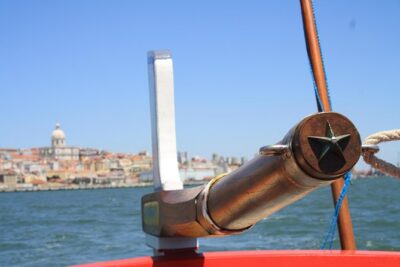
2-Hour Lisbon Traditional Boats Sunset Cruise with White Wine
Read our review →

Lisbon Food Tour with 10+ Tastings of Local Delicacies & Wines
Read our review →Lists this tasting sits in