
Review · SPAIN
Gran Canaria: Winery Tour, Wine Museum, and Tasting
Gran Canaria’s wine story is easy to miss behind the island’s beaches, but Bodega San Juan offers a pleasant way to find it. This five-generation family winery, dating back to 1912, combines working vineyards, old equipment, family photographs, and a tasting in the garden. Guide Maria is often the person leading the visit, and her warm, humorous style has earned strong praise.
I like two things in particular: the small wine museum gives the tour real substance, and the tasting is more than a quick sip, with two wines served beside Gran Canaria cheese, toasted bread, and olives. The main drawback is transport. Hotel pickup is not included, and reaching Finca El Mocanal by bus can take some planning.
Key points at a glance
- A winery with five generations of family history: Old photographs and traditions make this feel personal rather than factory-like.
- The only wine museum in Gran Canaria: See historic machinery and learn how production changed from hand work to modern methods.
- A 100-year-old stone lagar: This old grape-treading basin is one of the most memorable sights on the tour.
- Organic vineyards and volcanic soil: Learn about local grape varieties, island conditions, and the work needed to keep the crop healthy.
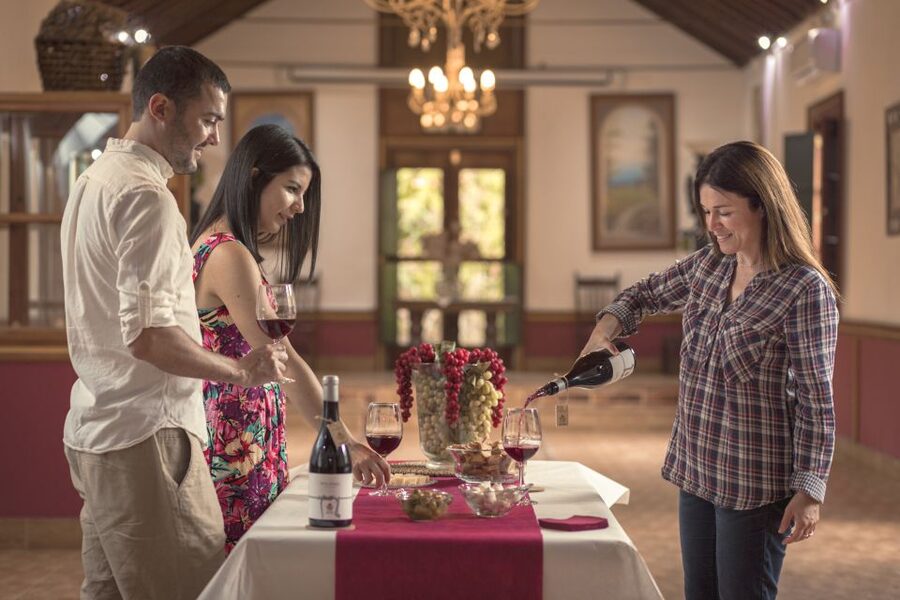
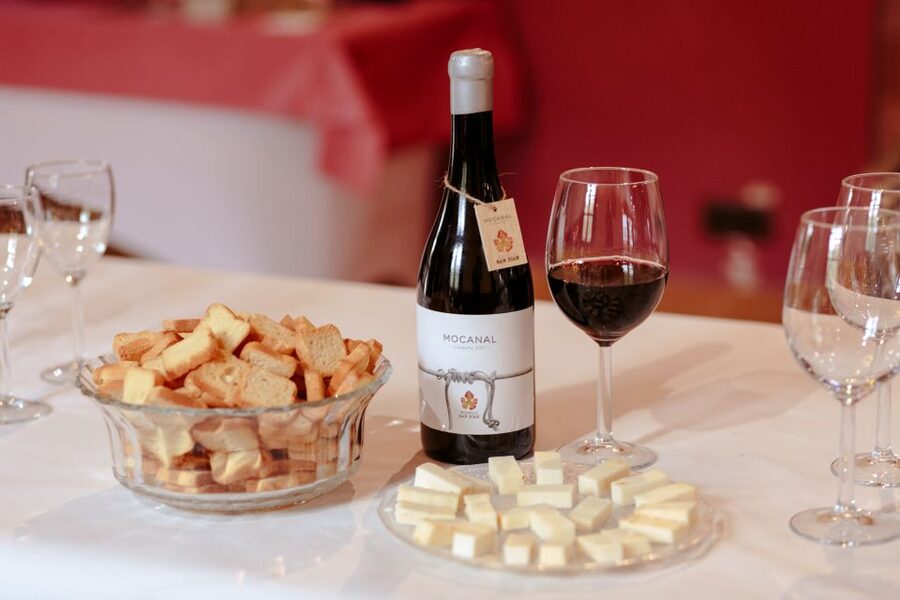
- Two wines with island snacks: The final tasting includes Gran Canaria cheese, toasted bread, and olives.
- A compact 1.5-hour visit: It fits neatly into a day of sightseeing, but you need to arrange your own transport.
Why this old winery is worth your time
Bodega San Juan, at Finca El Mocanal, gives you a look at a side of Gran Canaria that many beach-based visitors never see. The property is old, family-run, and still tied to wine production. You are not simply shown a row of polished bottles. You walk through the grounds, hear how the family kept the estate going, and see equipment linked to earlier generations.
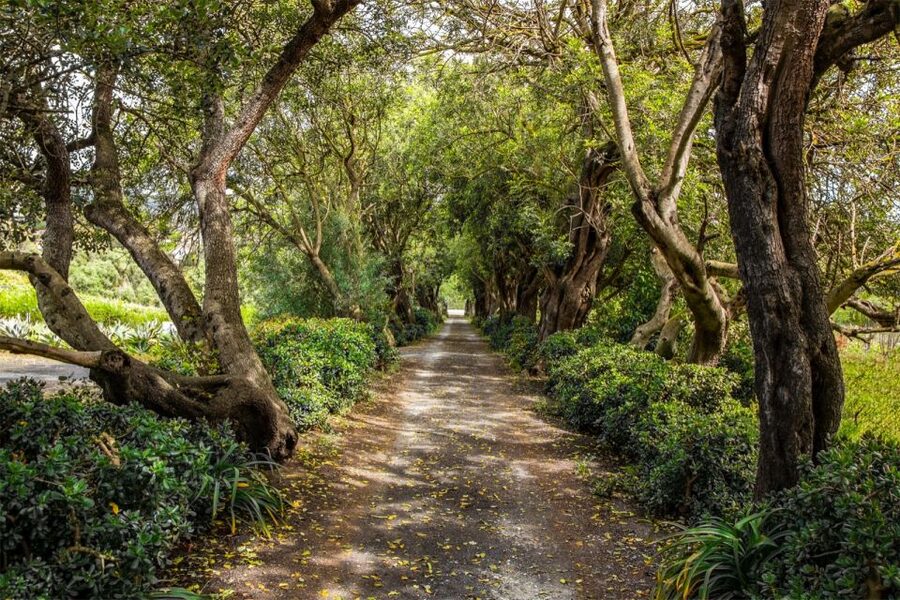
The setting adds much of the charm. The vineyards provide the photo opportunities promised by the tour, while the buildings and garden give the visit a calm, rural feel. One particularly pleasant detail is the tasting area, where you may sit outside among the estate’s gardens. A past visit included butterflies around the group, a small touch that captures the relaxed mood better than any brochure could.
I also like the scale. At 1.5 hours, this is not an all-day wine expedition. You get enough explanation to understand the place, then enough time to taste the finished product without giving up a large part of your Gran Canaria itinerary.
The price is about $34 per person. That is fair value when you count the farm walk, the museum, the cellar, the guide, two wines, cheese, bread, and olives. It is especially good value for anyone interested in local food or traditional production. If you only want a large tasting flight or a full meal, this is not that kind of outing.
More Winery Tours in Spain
- Barcelona: Montserrat, Cogwheel, Black Madonna & Winery Tour
★ 4.8 · 5,633 reviews - Montserrat with Black Madonna & Medieval Winery with Tapas/Lunch
★ 5.0 · 5,209 reviews - Montserrat Full Day Tour with Farmhouse Lunch and Winery Visit
★ 5.0 · 1,068 reviews
Meeting the family story at Finca El Mocanal
You meet at Bodega San Juan, Finca El Mocanal. The visit begins with the history of the estate and the family behind it. Old photographs help put names, buildings, and past generations together, so the property feels like a lived-in family business rather than a staged attraction.
Guide Maria has received repeated praise for her humor, clear explanations, and ability to keep the visit relaxed. She has also accommodated a mixed-language group by switching between languages, although English is the stated tour language. Her role matters here because the winery has many small details that would be easy to overlook without someone to explain them.
One practical warning: make sure you know exactly where the tour begins. One booking party found the starting point unclear, and the meeting point is not a hotel or central town landmark. Save the full address before setting out and allow time to reach the estate.
Walking the organic vineyards
The farm portion introduces you to the working side of the winery. You stroll through organic vines and learn about the island’s grape varieties, the strong sun, and the volcanic soil. The point is not just to admire neat rows of plants. You get a sense of the year-round care needed to keep a small crop in good shape.
The volcanic ground is an important part of the explanation. Gran Canaria is not simply producing generic Spanish wine in a sunny setting. The island’s soil and climate affect what can grow and how the vines are managed. You hear about the work involved in keeping the grapes in good condition before they ever reach the cellar.
This section suits curious beginners as well as people who already know wine. You do not need a technical vocabulary to follow it. The guide connects the practical work in the field with the wine in your glass later, which makes the tasting more meaningful.
The vineyard walk is also one of the best parts for photographs. The property gives you open views across the vines and old buildings, so bring a camera if you enjoy documenting smaller, quieter stops. Keep in mind that the tour runs rain or shine, and the walk takes place outdoors.
The 100-year-old stone lagar
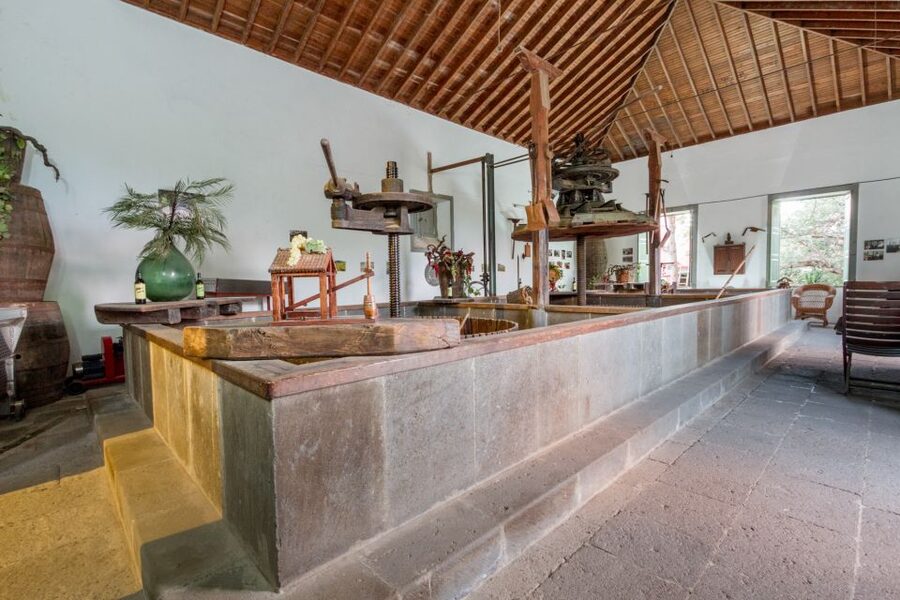
One of the most striking objects on the estate is the old stone lagar, a basin where grapes were once trodden by foot. It is roughly a century old and provides a clear picture of how labor-intensive winemaking used to be.
The lagar is valuable because it turns an abstract history lesson into something you can see and understand at once. Instead of hearing that earlier winemakers worked by hand, you are looking at the place where that work happened. It also gives the older part of the tour a physical center.
The visit does not present the past as a perfect golden age. You see how methods changed and why modern equipment became useful. That comparison between old and new is one of the winery’s strengths. It respects tradition without pretending that every old method was better.
Same vines, another glass to try:
- Montserrat Half-Day Tour with Tapas and Gourmet Wines
★ 5.0 · 7,359 reviews - Montserrat & Cogwheel Train, Gourmet Wine Tasting & Tapas/Lunch
★ 5.0 · 6,290 reviews - Barcelona Tapas and Wine Experience Small-Group Walking Tour
★ 5.0 · 5,804 reviews - Barcelona: Tapas Walking Tour with Food, Wine, and History
★ 4.8 · 4,261 reviews
Inside Gran Canaria’s only wine museum
The wine museum is a major reason to choose this experience over a simple tasting. It is described as the only wine museum in Gran Canaria, and its collection includes old machinery connected with production.
This is a small museum rather than a huge national institution. That is a benefit for many people. The information stays tied to the estate, the family, and the island, so you are not faced with room after room of equipment with no context. The guide explains how grapes moved from the field through crushing, fermentation, storage, and bottling.
You can also see how the family maintained older traditions while updating parts of the operation. For me, that balance gives the tour its character. The old tools are not displayed as curiosities alone. They help explain the practical changes that made winemaking more efficient.
If you have already visited several major European wine estates, the museum may feel modest. That is fair. Its appeal is intimacy and local connection, not size. You are paying for a focused look at Gran Canaria’s own wine culture.
The cellar, fermentation, and modern production
Entering the old cellar brings a sensory element that photographs cannot provide. You can smell wine fermenting in wooden casks, and the darker, older space contrasts with the modern facility used for current production.
This old and new comparison is handled in a straightforward way. You learn about the process from grape to bottle, then see how equipment and working methods have changed. The cellar helps explain why wine production is as much about timing and care as it is about the grape itself.
The experience does not promise a technical master class, and that is probably right for a short visit. In 90 minutes, the guide has to balance history, farming, production, and tasting. You will leave with a working picture of the process, but not with every detail of fermentation chemistry.
The wooden casks and cellar smells are among the most memorable parts for anyone who enjoys the production side of wine. If your interest is only in drinking, you may find the explanations longer than necessary. If you like knowing how a product is made, this part earns its place.
Two wines, island cheese, and a relaxed finish
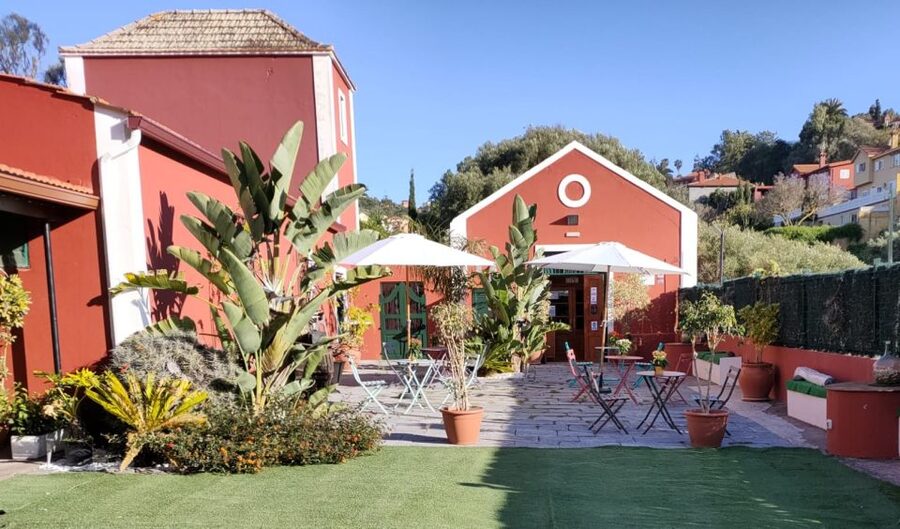
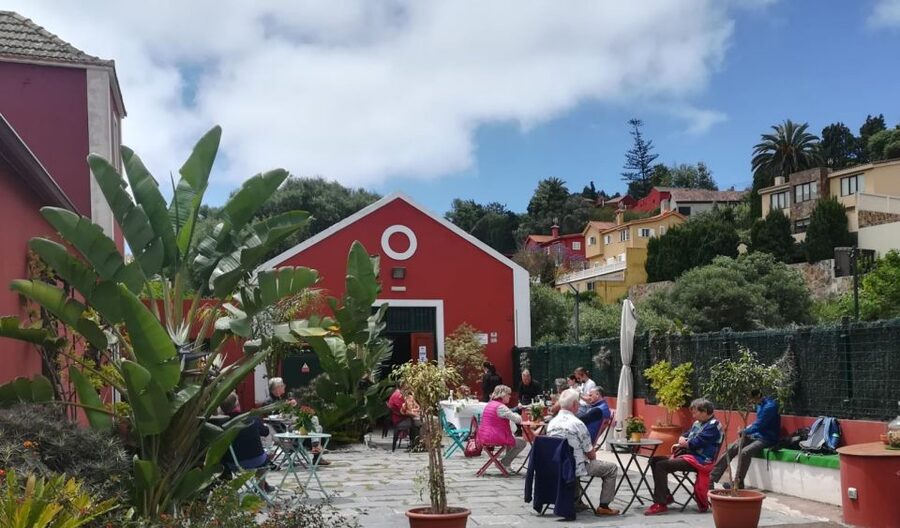
The tour ends with two wines in the tasting area. They are served with Gran Canaria cheese, toasted bread, and olives, making the finish feel like a small local food experience rather than a token sample.
The tasting is a chance to compare the wines after seeing the vineyard and cellar. You can pay attention to the flavor, but you can also connect it with the island conditions and the family’s methods explained earlier. The setting may be in the estate garden, which makes the final portion especially restful.
The food is simple, but that is appropriate. Cheese, toast, and olives support the wine without turning the visit into a full lunch. You should eat beforehand if you need a substantial meal.
Some people have wanted to buy a bottle after tasting, especially the red wine, but availability can vary. One visit found that the estate’s own red was not available for purchase. Other people have left with one or two bottles, so buying is possible when stock allows, but do not treat it as guaranteed.
The winery’s products may also be difficult to find outside the island. One visitor regretted that the wine was not exported, which makes a bottle from the estate a worthwhile souvenir if it is available and you can transport it within your travel plans.
Getting there and planning the visit
There is no hotel pickup or drop-off. You need to reach Bodega San Juan, Finca El Mocanal yourself, and the location may require more thought than a tour meeting in central Las Palmas or a resort area.
Bus travel is possible, but one person described it as complicated while still manageable. Check the route and timing before you leave, and do not cut it close. The tour has set starting times, and the property is not presented as a central urban meeting point.
A car or taxi can make the visit simpler, especially if you are staying away from the winery. The provider has helped arrange a taxi for a departing party, but you should not assume this is included in the tour. Ask locally if you need help after the tasting.
The 1.5-hour length makes this easy to pair with other plans, but allow extra time for transport. The tour itself may be short. The full outing is not necessarily short if you are crossing the island.
The experience runs rain or shine. Much of the visit includes buildings and indoor areas, but the vineyard walk is outdoors, so bring sensible footwear and clothing for the weather. No special equipment is listed.
Who will enjoy this winery tour most
I would recommend this for people who want local character in a manageable package. It works well for couples, families with older children, food lovers, and anyone who wants a quieter afternoon away from the coast. The family connection, old photographs, and traditional equipment give it more personality than a basic commercial tasting.
It is also a good birthday or small celebration activity. One couple booked it for a mother’s birthday and found the guide able to include everyone in the group. The relaxed setting and tasting make it social without requiring a full evening.
Wine beginners should feel comfortable. The explanations focus on the estate and production, not on testing your vocabulary or judging your palate. Experienced wine drinkers may appreciate the chance to try local varieties that they cannot easily find at home.
I would hesitate to recommend it if you need hotel transport, want a large selection of wines, or dislike short outdoor walks. It is also not the best pick for a full meal. The snacks are a useful accompaniment, not a restaurant course.
The tour has a 4.7 rating from 131 bookings, and the strongest praise centers on the guide, the setting, the history, and the tasting. One early interaction with the guide was described as less friendly, and another person had trouble finding the start point. Those points are worth keeping in mind, though they do not change the overall appeal of the experience.
Booking details and final advice
You can cancel up to 24 hours before the start for a full refund, and the reserve-now, pay-later option keeps your plans flexible. The listed host language is English. Check the available start times before booking, then confirm the meeting point and plan your route.
Should you book it? Yes, if you want a personal look at Gran Canaria’s wine traditions rather than a large, polished winery production. The museum, old lagar, cellar, garden tasting, and family story make the $34 fee sensible. Just sort out transport in advance, leave room for the possibility that a favorite bottle may be sold out, and arrive ready for a compact but well-filled 90 minutes.
FAQ
Where does the winery tour take place?
The tour meets at Bodega San Juan, Finca El Mocanal, in Gran Canaria.
How long does the experience last?
The tour lasts 1.5 hours.
How much does the tour cost?
The listed price is $34 per person.
What is included in the tour?
The price includes the farm tour, wine tasting, cheese, toasted bread, and olives.
How many wines do you taste?
The tasting includes two wines.
Is hotel pickup included?
No. Hotel pickup and drop-off are not included.
What language is the tour offered in?
The listed host language is English.
Who usually leads the tour?
Guide Maria is identified in the experience details and has led many of the visits.
Is the tour available in bad weather?
Yes. The tour takes place rain or shine.
Can I cancel the booking?
You can cancel up to 24 hours in advance for a full refund. You can also reserve now and pay later.
More wine museums around Spain
- Tenerife: Wine Museum Ticket with Local Wines & Food Tasting
★ 4.5 · 393 reviews - Picasso Museum and Walking Tour Plus Wine Tasting Upgrade
★ 4.3 · 111 reviews - Porto: Cálem Cellar Tour, Interactive Museum & Wine Tasting
★ 4.5 · 4,113 reviews - Porto: The Wine Experience, Best Wine Museum in the World
★ 4.7 · 621 reviews
Freshly poured around Spain
- Private Bandama Caldera Volcano, Botanic Garden & Old Town★ 4.5 · 53 reviews
- Malaga: PREMIUM TAPAS TOUR Paella, Tapas, Winery & Flamenco★ 4.6 · 82 reviews
- Premium Tour: Winery 7 Tastings + Guadalest Castle | Small group★ 5.0 · 40 reviews
- PREMIUM TAPAS TOUR: Paella, Market Tastings, and Winery★ 4.7 · 27 reviews
- Pottery Workshop and Wine – Barcelona★ 4.7 · 138 reviews
- Picasso Museum and Walking Tour Plus Wine Tasting Upgrade★ 4.3 · 111 reviews
- Mallorca: Premium Wine Experience, Tasting and Fine Foods★ 4.8 · 79 reviews
- Palma Tour with Wine and Tapas Tasting★ 3.9 · 52 reviews
Spain Wine Tours, side by side.

Montserrat Half-Day Tour with Tapas and Gourmet Wines
Read our review →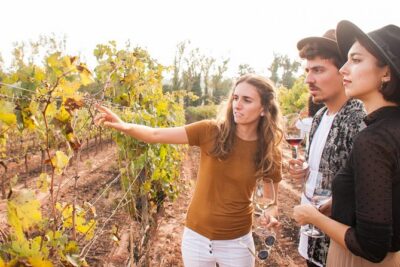
Montserrat & Cogwheel Train, Gourmet Wine Tasting & Tapas/Lunch
Read our review →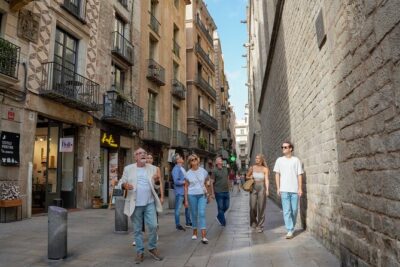
Barcelona Tapas and Wine Experience Small-Group Walking Tour
Read our review →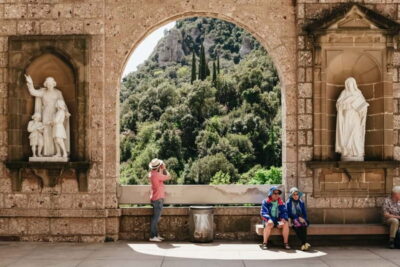
Barcelona: Montserrat, Cogwheel, Black Madonna & Winery Tour
Read our review →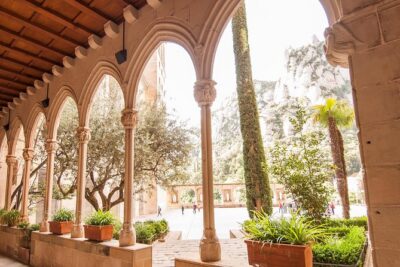
Montserrat with Black Madonna & Medieval Winery with Tapas/Lunch
Read our review →
Barcelona: Tapas Walking Tour with Food, Wine, and History
Read our review →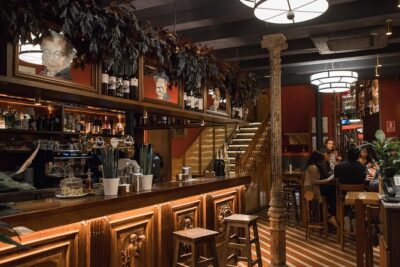
Madrid Tapas & Wine Tasting Walking Tour – Small Group Local Bars
Read our review →
Sevilla Food Tour: Tapas, Wine, History & Traditions
Read our review →Lists this tasting sits in